You Won’t Believe What Warsaw’s Food Scene Just Did to Me
I came to Warsaw for the history, but stayed for the food—and honestly, I never saw it coming. This city doesn’t just serve meals; it tells stories through them. From century-old recipes reborn in modern kitchens to underground dining spots buzzing with local energy, Polish cuisine here is bold, soulful, and wildly underrated. If you think pierogi is all there is, trust me—you’re in for a serious wake-up call. This is culture you can taste, one unforgettable bite at a time.
First Impressions: A City That Feels Alive
Stepping off the train at Warsaw Centralna, one is immediately struck by the city’s quiet confidence. Unlike capitals that shout their importance, Warsaw whispers—through cobblestone lanes, pastel-toned townhouses, and the soft hum of trams gliding along tree-lined avenues. The skyline blends modern glass towers with the gold-tipped spire of the Palace of Culture and Science, a reminder of both its layered past and forward-looking spirit. What truly sets Warsaw apart, though, is its resilience. Rebuilt from near-total destruction after World War II, the city carries its history not as a burden, but as a foundation.
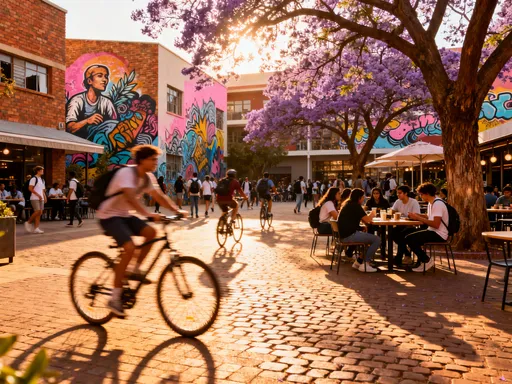
The reconstructed Old Town, with its colorful merchant houses and medieval market square, feels authentic not because it’s ancient, but because it’s loved. Locals sip coffee at sidewalk cafés, children chase pigeons across the square, and street musicians play Chopin with a casual reverence. This balance between memory and momentum extends to the city’s food culture. Meals here are not staged for tourists; they unfold naturally, in family kitchens, neighborhood milk bars, and bustling market halls. There’s no pretense—just warmth, generosity, and a deep-rooted connection to the land and its seasons.
Walking through neighborhoods like Śródmieście or Powiśle, you’ll notice how food is woven into daily life. Bakeries display rye loaves the size of dinner plates, delis hang garlands of kielbasa in their windows, and flower stalls double as impromptu mead stands on weekends. This is a city where gastronomy isn’t confined to restaurants—it’s part of the urban rhythm. The energy is inviting, not overwhelming, making it ideal for travelers who value authenticity over spectacle. And while the past is never far from view, Warsaw’s culinary identity is firmly rooted in the present, shaped by a new generation eager to honor tradition without being bound by it.
The Heart of Polish Culture: Food as Heritage
In Poland, food is more than nourishment—it’s memory. Every dish carries the weight of history, the echo of family gatherings, and the quiet pride of survival. Traditional meals like bigos, often called “hunter’s stew,” are not merely recipes; they are edible heirlooms. Layers of sauerkraut, fresh cabbage, dried mushrooms, and smoked meats simmer for hours, their flavors deepening with time, much like the stories shared around the table. Gołąbki—cabbage rolls stuffed with seasoned meat and rice—evoke Sunday dinners in village homes, where grandmothers taught their grandchildren to roll the leaves just tight enough to hold without bursting. Zrazy, tender beef rolls stuffed with pickles and onions, speak of resourcefulness, transforming humble cuts into something rich and celebratory.
These dishes are not relics confined to holidays. Across Warsaw, they live on in unassuming places: family-run milk bars, or bar mleczny, that have served working-class communities since the mid-20th century. At places like Bar Mleczny Prasowy or Stylowa, you’ll find elderly couples sharing a plate of kotlet schabowy, students refueling after lectures, and tourists who’ve followed local whispers to these culinary sanctuaries. The decor is simple—linoleum floors, mismatched chairs, chalkboard menus—but the food is deeply comforting. A steaming bowl of żurek, the sour rye soup served in a bread bowl, carries the tang of fermentation and the warmth of home.
What makes these experiences so powerful is their intimacy. There’s no theatrical plating or curated ambiance—just honest food, served with quiet pride. Eating here feels like being let in on a secret, a glimpse into the soul of a culture that values sustenance, seasonality, and shared meals. For visitors, understanding these dishes isn’t just about taste; it’s about empathy. Each bite connects you to generations who cooked with scarcity in mind, who preserved food for long winters, and who found joy in simple, hearty flavors. In a world of fleeting food trends, Warsaw’s traditional cuisine stands as a testament to endurance, love, and the enduring power of the family table.
Beyond Pierogi: Specialty Dining in Modern Warsaw
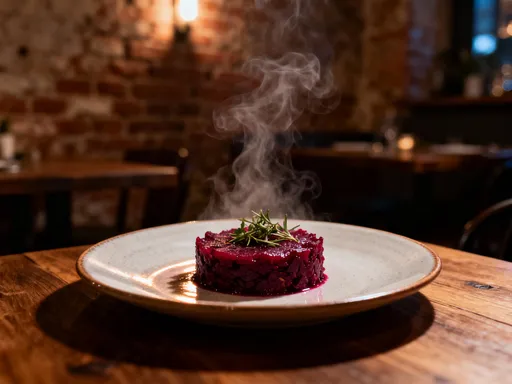
While pierogi may be Poland’s most famous culinary export, Warsaw’s contemporary chefs are redefining what Polish cuisine can be. In intimate, thoughtfully designed restaurants, tradition is not discarded—it’s refined. At Atelier Amaro, located in a quiet courtyard near the Vistula River, chef Wojciech Modest Amaro crafts a tasting menu that reads like a poetic tribute to the Polish countryside. Each course is a meditation on local ingredients: wild herbs foraged from nearby forests, freshwater fish from northern lakes, and heirloom vegetables grown in family plots. A dish of smoked beetroot tartare, layered with horseradish cream and topped with crispy rye crumbs, transforms a humble root into something elegant and surprising.
Similarly, Studnia Smaku—a name that translates to “Well of Taste”—offers a modern interpretation of regional Polish dishes. Here, duck breast is paired with plum knödel, a delicate dumpling that echoes the sweetness of autumn orchards. The presentation is precise, but never cold; the flavors remain deeply rooted in comfort. What sets these restaurants apart is not just technique, but intention. The chefs aren’t chasing international acclaim—they’re engaged in a quiet act of cultural preservation, using fine dining as a lens to magnify the beauty of their heritage.
The dining experience in these spaces is immersive. Service is attentive but unobtrusive, wine pairings highlight local vineyards, and the pacing allows time to savor each course. Menus often include brief stories—about the farmer who grew the potatoes, the artisan who aged the cheese, or the grandmother whose recipe inspired the dish. This narrative layer deepens the connection between guest and meal, turning dinner into a conversation across generations. For the discerning traveler, these restaurants offer more than a meal; they provide a masterclass in how tradition can evolve without losing its essence. And while they attract food enthusiasts from around the world, they remain deeply local—bookings fill quickly, not because of influencer buzz, but because Warsaw’s residents recognize quality when they taste it.
Hidden Tables: The Rise of Underground Dining
For those seeking an even more personal connection to Warsaw’s food culture, the city’s underground dining scene offers something truly special. These are not secret speakeasies or exclusive clubs, but intimate gatherings hosted in private homes, converted workshops, or quiet courtyards. Often organized through word-of-mouth or small online communities, these supper clubs invite guests to share a meal as if they were part of the family. There’s no fixed menu, no reservations months in advance—just a message confirming your seat at the table, usually set for six to ten guests.
One such experience might begin in a pre-war apartment in the Żoliborz district, where a former chef now hosts weekly dinners in her kitchen. The evening starts with a welcome drink—perhaps a glass of homemade nalewka, a fruit-infused spirit—and a tour of the space, where family photos line the walls and copper pots hang above the stove. The meal unfolds over four or five courses, each explained with warmth and humor. A beetroot soup is served with a dollop of smetana and a story about her grandmother’s garden. A slow-cooked pork shoulder is paired with wild mushroom dumplings and a confession: “I made this the night before my wedding—my husband still talks about it.”
What makes these dinners so powerful is their authenticity. There’s no performance, no attempt to impress. The focus is on connection—to the food, to the host, and to the other guests, who often leave as friends. These gatherings reflect a deeply Polish value: the belief that a shared meal is a sacred act, a moment to slow down, listen, and be present. For visitors, especially those traveling alone or seeking a deeper cultural immersion, these experiences can be transformative. They offer not just a taste of Polish cuisine, but a glimpse into Polish life—warm, generous, and rich with meaning. While specific names and locations may change, the spirit of these dinners remains constant: food as hospitality, as memory, as love made visible.
Markets & Makers: Where Locals Eat
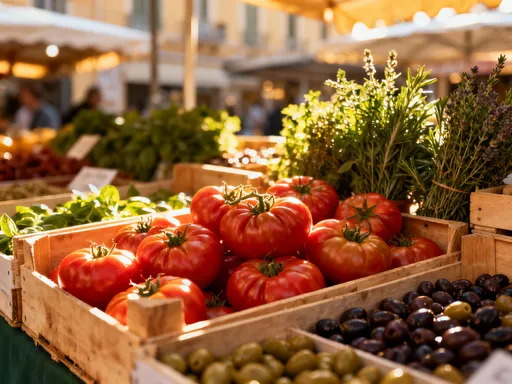
If you want to eat like a local, follow the scent of roasting coffee and wood-fired bread to Hala Mirowska, one of Warsaw’s oldest market halls. Housed in a 19th-century iron and glass pavilion, this vibrant space pulses with activity from morning until evening. Butchers display house-cured meats in glass cases, their surfaces gleaming under warm lights. Fishmongers arrange silver carp and smoked eel on beds of ice, while cheese vendors offer samples of twaróg, a fresh farmer’s cheese, and aged oscypek, the smoked sheep’s milk cheese from the Tatra Mountains.
Along ul. Świętokrzyska and in smaller stalls tucked between the main aisles, artisans showcase their craft. One vendor sells hand-rolled noodles, their fingers moving with practiced ease. Another offers jars of wild berry preserves, each labeled with the forest where the fruit was picked. Near the back, a mead maker pours golden, spiced miód pitny into small glasses, explaining how the drink—once favored by medieval nobility—is enjoying a modern revival. The air is thick with the aroma of fried pierogi, grilled kiełbasa, and freshly baked drożdżówki, sweet yeast buns filled with vanilla cream.
Hala Mirowska is more than a place to eat—it’s a living museum of Polish foodways. Here, tradition is not preserved behind glass; it’s practiced daily. Locals come to shop, to chat, to taste. For visitors, the experience is both sensory and social. The best time to visit is mid-morning on a weekday, when the rush has settled but the energy remains. Come hungry, but also come ready to engage. A simple “dziękuję” when accepting a sample, or a smile when making eye contact, goes a long way. Many vendors speak some English, and those who don’t will gesture, point, and laugh with good humor. Ordering is part of the adventure: point to what looks good, ask for a taste, and let curiosity be your guide. This is where Warsaw’s food culture feels most alive—not in polished restaurants, but in the shared space between vendor and guest, where every transaction is also a small act of connection.
A Drink with History: Vodka, Mead, and Modern Mixology
In Poland, drinking is rarely just about consumption—it’s about ritual, celebration, and togetherness. Vodka, often misunderstood abroad as a shot to be downed, is here a drink to be savored. In traditional settings, it’s served chilled, in small glasses, and always accompanied by a toast—ideally with eye contact, a gesture of sincerity. The most common varieties, like Żubrówka (flavored with bison grass) or Wyborowa, are best enjoyed slowly, alongside a plate of pickles, herring, or dark rye bread. In recent years, small-batch distilleries have emerged, focusing on purity, local grains, and traditional methods, elevating vodka from a party staple to a craft spirit worthy of appreciation.
Equally significant is the revival of mead, or miód pitny, a fermented honey drink with roots stretching back over a thousand years. Once the drink of kings and poets, mead nearly disappeared in the 20th century, replaced by beer and wine. Today, it’s making a quiet comeback, thanks to artisans who treat it with the same care as fine wine. At dedicated tasting rooms and specialty bars, guests can sample dry, semi-sweet, and sparkling varieties, each with its own floral complexity. Paired with aged cheese or a slice of dense, dark bread, mead offers a taste of Poland’s pre-modern past—a reminder that sweetness, in moderation, has always had its place at the table.
Modern Warsaw also embraces innovation in mixology. Cocktail bars like Alchemia or Łaźnia Nowa blend local ingredients with global techniques, creating drinks that honor tradition while looking ahead. A vodka martini might be infused with dill and cucumber, evoking the flavors of a Polish garden. A mead-based spritz could be layered with elderflower and lime, perfect for a summer evening. These spaces don’t reject the past—they reinterpret it, offering a bridge between old customs and new tastes. For visitors, exploring Warsaw’s drinking culture is not about excess, but about understanding: how a simple toast can carry weight, how a shared glass can build trust, and how even the humblest drink can become a vessel for memory and meaning.
Planning Your Culinary Journey: Practical Tips That Matter
For travelers eager to explore Warsaw’s food scene, a few practical considerations can make all the difference. Start by balancing well-known destinations with local favorites. While the Old Town offers charm and convenience, neighborhoods like Praga, Wola, and Mokotów reveal deeper layers of the city’s culinary identity. Use Warsaw’s efficient public transportation—trams and buses are clean, frequent, and easy to navigate with a simple mobile app. Many of the best food experiences lie just a short ride from the center.
When dining, don’t hesitate to ask for recommendations. Even if you don’t speak Polish, most restaurant staff appreciate the effort to engage. A simple “What do locals order?” or “Is this dish traditional?” can lead to meaningful conversation and better meals. Menus in tourist-heavy areas may be in English, but in smaller milk bars or markets, photos and pointing are perfectly acceptable. Look for places with a steady flow of local patrons—long lines at a pierogi stand are usually a good sign.
Timing matters. Many traditional restaurants serve lunch between 12:00 and 15:00, with dinner beginning around 18:00. Some smaller venues close on Sundays or Mondays, so planning ahead is wise. For specialty restaurants like Atelier Amaro or Studnia Smaku, reservations should be made weeks in advance, especially during cultural events or the annual Warsaw Gourmet Days festival, when chefs from across the country gather to showcase regional specialties.
Dining etiquette is simple but meaningful. Always say “proszę” (please) and “dziękuję” (thank you). When toasting, maintain eye contact—it’s considered a sign of respect. Tipping is customary; leaving 10–15% in restaurants is appreciated, though not always expected in casual settings. Above all, approach each meal with curiosity and humility. Let go of expectations, embrace the unexpected, and allow yourself to be surprised. The best moments often come not from perfect service or flawless dishes, but from the warmth of a shared smile, the generosity of a host, or the discovery of a flavor you never knew you’d love.
Warsaw’s food scene is not a performance for visitors—it’s a living, breathing expression of a culture that values history, hospitality, and the simple joy of eating well. To experience it fully is to move beyond sightseeing and into a deeper form of travel: one that engages the palate, the heart, and the imagination. So come with an open mind, an empty stomach, and a willingness to connect. Let the city feed you—not just with its food, but with its stories, its resilience, and its quiet, enduring warmth. Because in Warsaw, every meal is an invitation—to remember, to belong, and to taste the world anew.