You Won’t Believe These Photo Spots in Jounieh’s Hidden Corners
Jounieh, Lebanon, isn’t just a coastal escape—it’s a visual story waiting to be captured. Nestled between rugged mountains and the Mediterranean, this vibrant city blends culture, architecture, and natural beauty in ways that surprise even seasoned travelers. From seaside promenades to mountain-side villages, every turn offers a new frame-worthy moment. I set out to explore its most photogenic theme areas, and what I found was beyond expectation—colorful streets, dramatic cliffs, and sunsets that look photoshopped, but aren’t.
The Heartbeat of the Coast: Jounieh Bay & the Seaside Promenade
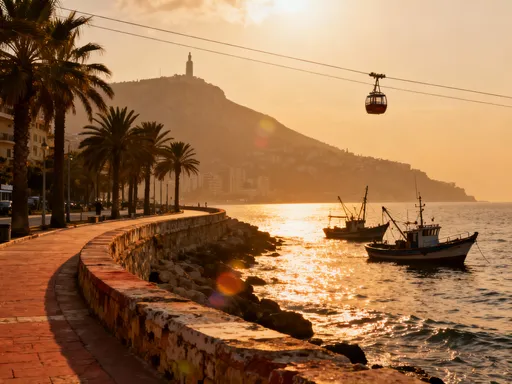
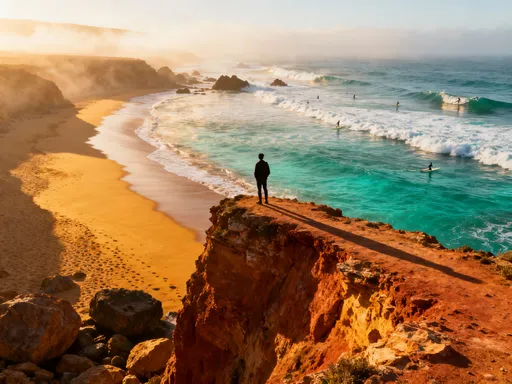
Jounieh Bay stands as the city’s living postcard—a dynamic stretch of coastline where sea, sky, and urban life meet in perfect harmony. The bay curves gently along the Mediterranean, lined with palm trees, stone benches, and a wide promenade that invites both morning joggers and evening strollers. Fishing boats bob near the shore, their weathered hulls reflecting the changing light, while the distant hum of city life blends with the soft lap of waves. This is not a static scene; it pulses with rhythm, making it one of the most rewarding locations for photographers seeking both landscape and lifestyle imagery.
For optimal photography, timing is essential. The golden hour—just after sunrise and before sunset—transforms the bay into a glowing canvas. During these times, the low-angle sunlight casts long shadows and warm highlights across the water, enhancing textures on boat wood, stone railings, and the rippling surface. Long-exposure techniques can be used to smooth wave motion into soft, dreamy patterns, especially effective when paired with stationary elements like moored boats or pier supports. A tripod is recommended for stability, particularly in low-light conditions, and a polarizing filter helps reduce glare on water surfaces, revealing subtle underwater details and richer color depth.
Beyond technical considerations, the promenade thrives with human moments that lend authenticity to any photo collection. Families gather for evening walks, children chase pigeons near the fountain, and couples pause to watch the sun dip below the horizon. These candid interactions, framed against the vastness of the sea, offer storytelling potential. Capturing them requires patience and discretion—using a medium telephoto lens allows photographers to maintain distance while preserving intimacy. The key is to observe without intrusion, waiting for natural gestures: a hand reaching for another’s, a child’s wide-eyed wonder at a passing sailboat, or steam rising from a street vendor’s coffee urn as dusk settles in.
Cable Car to the Clouds: The Téléphérique to Harissa
One of Jounieh’s most iconic experiences—and photographic opportunities—is the Téléphérique ride up to Harissa. This cable car system, operating since 1965, carries passengers nearly 600 meters above sea level in just minutes, offering a vertical journey through shifting perspectives. As the cabin ascends, the view unfolds beneath like a living map: the bay narrows into a shimmering ribbon, buildings shrink into geometric patterns, and the coastline stretches into the hazy distance. For photographers, this ascent provides rare access to aerial-style compositions without the need for drones, which are restricted in many parts of Lebanon due to aviation regulations.
The climb itself is a sequence of photographic transitions. Early in the ascent, you can capture close-up details—the steel cables against the blue sky, the reflection of the cabin in the window, or the hands of fellow passengers gripping the rail as they lean for a better view. Midway, the full expanse of Jounieh Bay comes into focus, best photographed with a wide-angle lens to emphasize scale and depth. The contrast between the deep blue sea and the red-tiled rooftops creates a striking color palette, particularly vivid during clear mornings when atmospheric haze is minimal. Shooting through the cabin window requires care—cleaning the glass beforehand and positioning the lens flush against the surface reduces reflections and distortion.
Upon arrival in Harissa, the Basilica of Our Lady of Lebanon dominates the landscape. This monumental shrine, crowned by a towering statue of the Virgin Mary with outstretched arms, stands as both a spiritual and visual centerpiece. The grand staircase leading up to the basilica offers powerful compositional lines, drawing the eye upward toward the statue, which is often backlit by the sun. Photographers can experiment with silhouettes, using the figure as a dark form against a bright sky, or capture pilgrims ascending the steps, their small figures emphasizing the structure’s grandeur. The surrounding terrace provides panoramic views back toward the coast, ideal for wide landscape shots that layer mountain ridges, coastal curves, and distant city lights. Early morning visits are recommended to avoid crowds and benefit from soft, directional light that enhances architectural textures.
A Walk Through Color: The Painted Streets of Jounieh’s Old Town
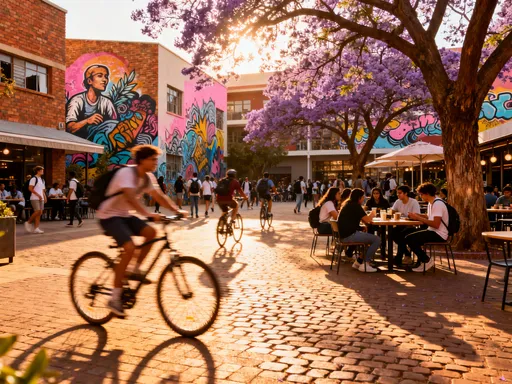
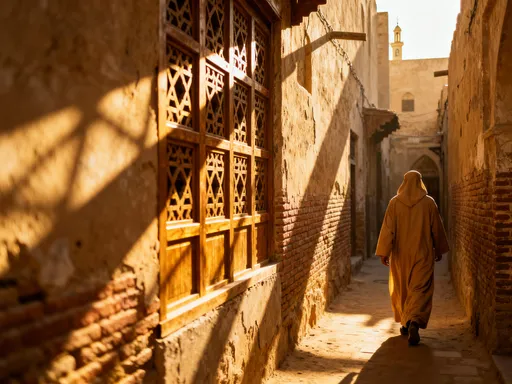
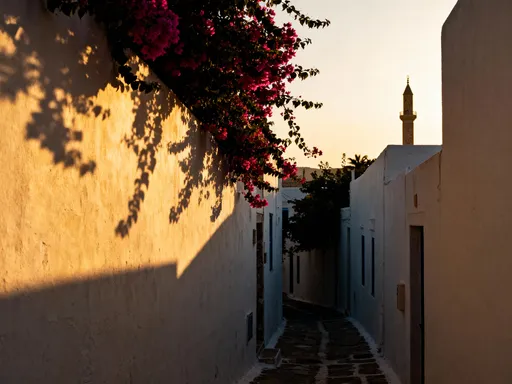
Hidden behind the modern façades of Jounieh’s commercial districts lies a quieter, more intimate world—the revitalized alleys of the Old Town. Here, narrow cobblestone lanes wind between low-rise buildings painted in vibrant blues, ochres, and terracottas. Balconies overflow with geraniums and jasmine, their colors contrasting beautifully against weathered stone walls. Murals depicting Lebanese heritage—fishermen, olive harvests, traditional music—adorn blank façades, turning ordinary corners into open-air galleries. This area, though modest in size, offers some of the most artistically rich photography in the region, combining texture, color, and cultural narrative in a single frame.
What makes this neighborhood particularly compelling is its authenticity. Unlike heavily touristed old quarters in other cities, Jounieh’s Old Town remains a lived-in space. Residents hang laundry between buildings, shopkeepers sweep doorsteps, and elders sip tea under shaded awnings. These everyday moments, when captured respectfully, add soul to photographs. The interplay of light and shadow plays a crucial role here—morning light filters down the narrow streets at an angle, illuminating one side of a building while leaving the other in soft shadow. This creates natural contrast, ideal for black-and-white conversions or dramatic color compositions. Overcast days, often seen as a challenge, can actually be beneficial by providing even, diffused lighting that reduces harsh highlights and preserves detail in both bright and dark areas.
Photographing in tight spaces requires thoughtful composition. Leading lines—such as the convergence of walls, railings, or power lines—guide the viewer’s eye through the image. Natural frames, like arched doorways or vine-covered windows, can isolate subjects and add depth. Using a 35mm or 50mm lens on a full-frame camera allows for intimate yet realistic perspectives, avoiding the distortion common with ultra-wide angles. To capture depth, include foreground elements—a flowerpot on a step, a bicycle leaning against a wall, or a cat perched on a windowsill—that anchor the scene and create a sense of immersion. The goal is not just to document a place, but to convey its atmosphere—the quiet charm, the warmth of colors, the sense of history embedded in every stone.
Nature’s Drama: The Romaine River Gorge & Waterfalls
Just a short drive inland from Jounieh, the Romaine River carves a dramatic path through red-rock cliffs, creating a lush, lesser-known destination for nature photographers. Unlike the crowded beaches and urban vistas, this area offers solitude and raw beauty—a place where emerald-green water tumbles over moss-covered boulders, framed by ferns and wildflowers. The gorge is part of a larger valley system that descends from the Mount Lebanon range, and its microclimate supports a surprising variety of plant life, including fig trees, oleander, and climbing vines that drape across rock faces. This contrast between vibrant greenery and warm-toned stone creates a visually rich environment, perfect for detailed nature studies and sweeping landscape shots.
Photographing flowing water effectively requires technical precision and timing. To achieve the classic silky water effect, use a slow shutter speed—typically between 1 and 4 seconds—combined with a small aperture (f/11 to f/16) and low ISO (100 or 200). A neutral density (ND) filter is essential in bright daylight, as it reduces the amount of light entering the lens without affecting color, allowing for longer exposures. A tripod ensures sharpness in static elements like rocks and trees, while the moving water blurs into smooth, ethereal flows. For a more dynamic look, faster shutter speeds (1/250 sec or higher) can freeze individual droplets mid-air, capturing the energy of cascading water. Experimenting with both approaches yields a diverse portfolio from a single location.
The best time to visit is during or just after spring rains, when water flow is strongest and vegetation is at its lushest. Summer months can see reduced flow, especially in smaller tributaries, but early mornings still offer cool temperatures and soft light. Because this area is less frequented by tourists, it remains undisturbed, allowing for peaceful, uninterrupted shooting. The surrounding cliffs also provide elevated vantage points—carefully accessible trails lead to overlooks where photographers can capture layered compositions: the river in the foreground, rock walls in the midground, and distant mountain ridges fading into the haze. These depth-rich scenes benefit from using a wide-angle lens and focusing one-third into the frame to maximize depth of field. Always exercise caution near edges and wet surfaces, and wear appropriate footwear for navigating slippery terrain.
Sunset Magic: The Pigeon Rocks at Ras el-Matn
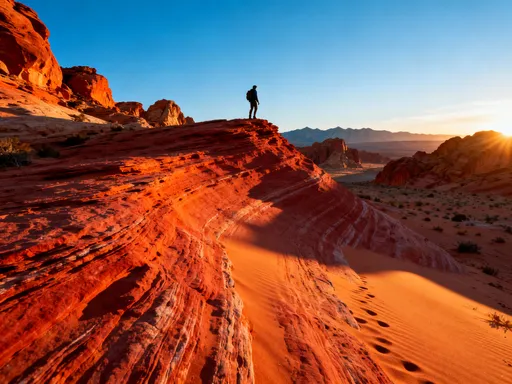
While the famous Pigeon Rocks off the coast of Beirut are widely photographed, a quieter, equally stunning alternative lies near Ras el-Matn, where dramatic cliff formations rise from the sea in striking contrast to the sky. These natural limestone pillars, shaped by centuries of wind and wave erosion, stand as solitary sentinels against the horizon. Unlike the busy Corniche in Beirut, this stretch of coastline sees fewer visitors, offering photographers the rare luxury of unobstructed views and peaceful solitude. The area is accessible via a short hike from a local trailhead, leading to elevated viewpoints that provide panoramic sightlines perfect for sunset photography.
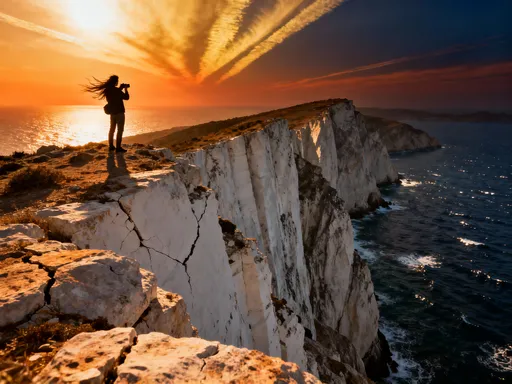
Sunset here is not just an event—it’s a transformation. As the sun lowers, the sky shifts through a spectrum of warm tones: gold, orange, rose, and deep violet. When conditions are right, clouds catch fire with color, reflecting in the still pools left by high tide. The rock formations, backlit by the dying light, become bold silhouettes, their jagged edges sharply defined against the glowing sky. A tripod is essential for long exposures that capture the full dynamic range of light, and a graduated neutral density filter can help balance the brightness of the sky with the darker foreground. Using a telephoto lens (70–200mm) allows for compressed perspectives, making the rocks appear larger and more imposing, while a wide-angle lens emphasizes the vastness of the scene.
Weather plays a crucial role in the quality of the light. Contrary to expectation, completely clear skies often produce flat, washed-out sunsets. The most dramatic results occur when scattered clouds are present—they act as natural reflectors, diffusing and amplifying colors. A partly cloudy evening can turn into a visual spectacle, with bursts of light breaking through gaps in the clouds, creating what photographers call “god rays.” Planning is key: check local weather forecasts and tide tables in advance. Arriving at least 45 minutes before sunset allows time to scout compositions, set up equipment, and adjust settings as light levels change. This patience often rewards photographers with images that feel almost surreal—yet every hue is real, untouched by digital enhancement.
Theme in Motion: Capturing Local Life in Market & Café Culture
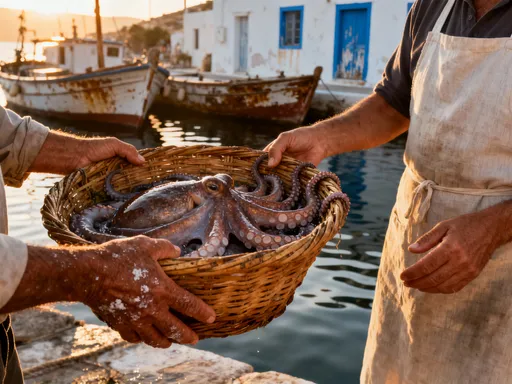
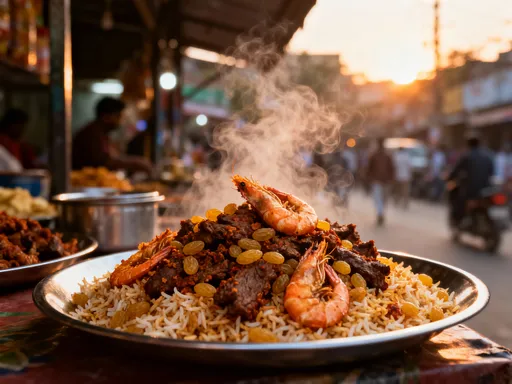
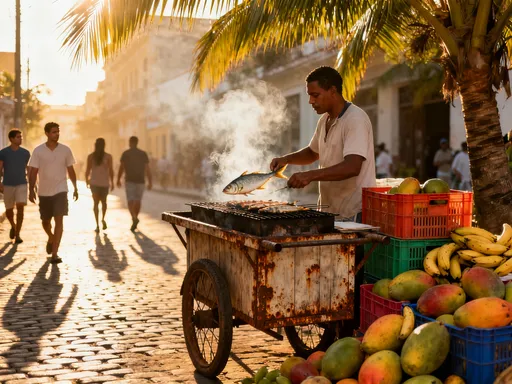
To truly understand Jounieh, one must step into its daily rhythm—the markets, cafés, and seaside restaurants where life unfolds in full color and sound. The morning fish market along the harbor is a sensory feast: silver fish glisten on ice, vendors call out prices in rapid Arabic, and the smell of salt and lemon fills the air. Nearby, outdoor cafés buzz with conversation, their red-checkered tables laden with small glasses of thick coffee, plates of olives, and carafes of arak, the anise-flavored spirit often shared during leisurely meals. These moments, rich with texture and emotion, are gold for photographers seeking authenticity over perfection.
Storytelling through food photography goes beyond pretty plating. A flat lay of a mezze spread—hummus, tabbouleh, grilled halloumi—can be enhanced by including hands in the frame: a vendor slicing bread, a grandmother arranging herbs, or friends clinking glasses in a toast. These gestures add narrative, turning static images into moments frozen in time. Natural light is ideal—shoot near windows or under shaded awnings to avoid harsh overhead sun. A macro lens (100mm) excels at capturing fine details: droplets on a lemon wedge, steam rising from fresh manakish, or the grain of wood on a serving board. For environmental portraits, engage with subjects when possible. A simple smile or gesture of respect often leads to permission for a portrait, resulting in images that are not only technically strong but emotionally resonant.
Respectful candid photography is an art. The goal is to document without disrupting. Move slowly, observe patterns, and anticipate moments rather than forcing them. Avoid using flash in intimate settings, as it draws attention and alters the mood. Instead, increase ISO slightly to maintain shutter speed in lower light. When photographing children or religious figures, extra sensitivity is required—always prioritize dignity over the shot. Many of the most powerful images come from patience: waiting for a fisherman to tie his net, for sunlight to hit a café table just right, or for laughter to erupt among friends sharing stories. These unposed moments, when captured with care, become timeless.
From Dawn to Dusk: Planning Your Photographic Journey
Maximizing your photographic experience in Jounieh requires thoughtful planning. A well-structured day allows you to capture the full range of light and activity, from the stillness of dawn to the warmth of twilight. Begin early—arrive at the Téléphérique station by 5:30 AM to catch sunrise from Harissa. The cool morning air, soft light, and absence of crowds create ideal conditions for both landscape and architectural shots. After spending an hour or two at the basilica, descend and head into Jounieh’s Old Town, where mid-morning light filters beautifully through narrow alleys, perfect for color and texture work.
By midday, when the sun is high and harsh, shift focus to indoor or shaded subjects. Visit a local café, photograph market interiors, or explore cultural details like hand-painted signs or artisan workshops. This downtime also serves as an opportunity to review images, charge batteries, and plan afternoon shots. As the light begins to soften around 4:00 PM, make your way to the seaside promenade or the Romaine River Gorge, depending on your interests. The golden hour that follows is prime time for long exposures, silhouette work, and candid street photography. Finally, conclude your day at the Ras el-Matn cliffs or a quiet stretch of coast for sunset, ensuring you have all necessary gear ready well in advance.
Packing the right equipment enhances efficiency without burdening your journey. A versatile zoom lens (24–70mm) covers most scenarios, while a wide-angle (16–35mm) is ideal for landscapes and tight spaces. A tripod, though slightly cumbersome, is invaluable for low-light and long-exposure shots. A polarizing filter reduces glare on water and enhances sky contrast, while ND filters enable creative shutter effects. Keep your bag lightweight—prioritize essentials and wear comfortable, weather-appropriate clothing. Finally, edit with intention. Post-processing should enhance, not alter, the true character of Jounieh. Adjust exposure, contrast, and white balance subtly, preserving the natural colors and mood of each scene. Over-editing risks losing authenticity, the very quality that makes these images meaningful.
Jounieh’s charm lies not in perfection, but in its layers—urban energy, spiritual landmarks, and wild beauty all coexist. Each photo spot tells a different chapter of Lebanon’s soul. Whether you’re chasing light, color, or culture, these theme areas offer more than just images—they offer connection. So grab your camera, wander with curiosity, and let Jounieh reveal itself, one frame at a time.