Taste the Riviera: How Nice Stole My Heart One Bite at a Time
Walking through Nice, France, isn’t just a feast for the eyes—it’s a full sensory journey powered by scent, color, and flavor. From the morning buzz of Cours Saleya Market to the golden glow of socca sizzling in copper pans, the city’s food culture is alive and unfiltered. This isn’t just eating; it’s storytelling through taste. The air carries whispers of rosemary, sea salt, and warm olive oil, while market stalls burst with colors that mirror the Mediterranean itself—crimson tomatoes, emerald herbs, sun-yellow lemons. Every corner offers a new invitation to pause and savor. In Nice, meals are not rushed but revered, shaped by generations of coastal living, seasonal rhythms, and a deep respect for simplicity. I’ll take you where locals eat, what they order, and why every bite feels like a celebration of the Mediterranean soul.
Arrival in Nice: First Impressions That Taste Like Sunshine
The moment you step off the plane at Nice Côte d’Azur Airport, the climate tells a story. The air is soft and warm, carrying a citrusy freshness from nearby orchards where lemons and oranges grow in abundance. It’s not just the light that feels different here—it’s the scent, the rhythm, the very atmosphere that hints at a life lived close to the earth and the sea. A short drive into the city, and the first landmark isn’t a monument but a bakery. The golden crust of freshly baked fougasse peeks from shop windows, its aniseed aroma drifting onto the sidewalk, drawing in early risers and jet-lagged travelers alike.
Nice’s culinary identity begins with its geography. Nestled along the Baie des Anges, the city enjoys over 300 days of sunshine a year, making it ideal for growing sun-ripened vegetables, fragrant herbs, and citrus fruits. The proximity to both the sea and the Italian border has created a unique fusion of flavors—Provençal soul with Italian flair. Anchovies from the Ligurian Sea, basil grown in local gardens, and olive oil pressed from regional groves form the foundation of Niçois cuisine. Unlike the elaborate sauces of northern France, this is food that trusts its ingredients. Simplicity is not a compromise here—it’s a philosophy.
Even a casual stroll through the old town, Vieux Nice, reveals layers of culinary tradition. Small shops display jars of tapenade, wheels of goat cheese, and bundles of dried lavender. Fishmongers arrange gleaming sardines and sea bream on ice, their scales catching the sunlight like scattered coins. The rhythm of daily life revolves around meals: breakfast at a corner café with a coffee and a croissant, midday shopping at the market, and long, leisurely dinners that stretch into the evening. In Nice, food is not an interruption of the day—it is the day’s most important thread.
What makes this city’s food culture so accessible is its authenticity. There’s no need to dress up or make reservations at Michelin-starred restaurants to experience the soul of Niçois cooking. Some of the best meals begin with a spontaneous stop at a neighborhood traiteur or a paper cone of socca from a street vendor. The city welcomes you not with grand gestures, but with warmth, flavor, and an open invitation to eat like you belong.
Cours Saleya Market: The Beating Heart of Nice’s Food Scene
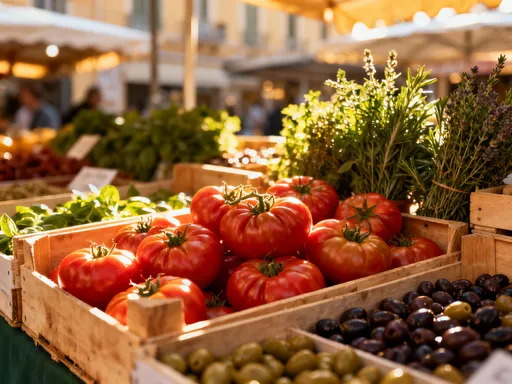
No visit to Nice is complete without a morning spent at Cours Saleya Market. Located in the heart of Vieux Nice, this vibrant marketplace transforms daily from a floral fantasy into a culinary treasure trove. By dawn, the square overflows with blooms—roses, carnations, and bougainvillea in every shade—sold by vendors who have tended this patch for decades. By midday, the flowers are packed away, and the real magic begins: the food market takes over, a riot of color, scent, and sound that awakens every sense.
Rows of stalls showcase the best of the region: plump Niçoise tomatoes still warm from the sun, fat green zucchinis, and glossy eggplants perfect for ratatouille. Baskets of black and green olives sit beside jars of herbes de Provence and honey infused with thyme and lavender. Artisan cheesemongers offer rounds of Banon, creamy chèvre, and sheep’s milk tommes from the Alpine foothills. The air is thick with the peppery scent of fresh basil, the briny tang of anchovies, and the sweet perfume of just-picked strawberries.
What sets Cours Saleya apart is its authenticity. Unlike tourist markets that cater to souvenir hunters, this is where Niçois families shop. Grandmothers inspect tomatoes with a practiced eye, fishermen bring in the morning’s catch, and chefs from local restaurants weave through the crowd with woven baskets in hand. The vendors know their regulars by name, and a simple “Bonjour, Madame” often leads to a taste of something new—a sliver of saucisson, a spoonful of tapenade, or a sample of olive oil drizzled over a piece of rustic bread.
To truly experience the market, arrive early, come hungry, and engage with the vendors. A smile and a few words in French go a long way. Ask what’s in season, what they recommend, or how to prepare a particular vegetable. Many sellers are happy to share tips, especially if you show genuine interest. Look for stalls with handwritten signs, local produce labeled by village, and ingredients that look imperfect—wrinkled, slightly misshapen, or sun-kissed. These are the signs of authenticity. Avoid the pre-packaged boxes of olives or the plastic-wrapped herbs; the real treasures are found in open baskets, weighed fresh, and wrapped in paper.
Cours Saleya is more than a market—it’s a living archive of Niçois food culture. It’s where tradition is preserved, ingredients are celebrated, and the connection between land, sea, and table is made visible. To walk its aisles is to understand that in Nice, food is not just consumed—it is chosen with care, prepared with pride, and shared with joy.
Must-Try Dishes: Beyond Salade Niçoise
When most people think of Nice, they picture Salade Niçoise—tuna, tomatoes, anchovies, and hard-boiled eggs arranged on a plate. But the real version, as any local will tell you, tells a different story. Authentic Salade Niçoise contains no potatoes, no green beans, and no cooked vegetables. It is a raw composition of seasonal ingredients: ripe tomatoes, crisp lettuce, Niçoise olives, anchovies from the Mediterranean, and a generous drizzle of olive oil. Tuna may be included, but it’s not the star. This dish is not about abundance—it’s about balance, freshness, and restraint.
Equally essential is pissaladière, the Niçois answer to pizza. Unlike its Italian cousin, pissaladière features a thick, brioche-like crust topped with slowly caramelized onions, black olives, and anchovies. The onions are cooked for hours until they collapse into a sweet, jammy layer that contrasts beautifully with the salty fish. Found in bakeries across the city, it’s often eaten warm for breakfast or as an afternoon snack, wrapped in paper and enjoyed on a bench overlooking the sea.
Another cornerstone of the cuisine is ratatouille, a vegetable stew that embodies the spirit of the Mediterranean. While versions exist throughout Provence, Niçois ratatouille is distinct—each vegetable is cooked separately to preserve its texture before being gently combined. The result is a dish that sings with clarity: firm zucchini, tender eggplant, bright peppers, and juicy tomatoes, all bound by garlic, thyme, and olive oil. It’s not a side dish but a centerpiece, often served at room temperature, allowing the flavors to deepen over time.
For a portable meal, pan bagnat is the ultimate Niçois choice. Meaning “bathed bread,” this sandwich begins with a round, crusty roll soaked in olive oil and layered with tuna, anchovies, tomatoes, hard-boiled eggs, and crisp lettuce. It’s pressed and chilled, allowing the flavors to meld into a harmonious whole. Best enjoyed on the Promenade des Anglais with the sea breeze at your back, pan bagnat is more than a lunch—it’s a ritual.
And then there’s socca, a chickpea pancake with humble origins and extraordinary flavor. Cooked in large, thin rounds in wood-fired ovens, socca is golden and crisp at the edges, soft and creamy in the center. Sprinkled with black pepper and sometimes rosemary, it’s served piping hot on paper, folded into quarters. Originally a meal for dockworkers, it’s now a beloved street food, emblematic of Nice’s working-class roots and culinary ingenuity.
These dishes are not just meals—they are edible history. Each one reflects the city’s relationship with its environment, its resistance to excess, and its devotion to seasonal eating. To taste them is to understand that Niçois cuisine is not about spectacle, but about savoring what the land and sea provide, exactly when they are at their best.
Hidden Eateries: Where Locals Actually Eat
Tourist guides often spotlight the grand cafés along the Promenade, but the true soul of Nice’s dining scene lies in its unassuming corners. The best meals are often found in places with no sign, no website, and no English menu. These are the family-run traiteurs, neighborhood bakeries, and tucked-away wine bars where locals gather for lunch, share gossip, and savor flavors that haven’t changed in decades.
One such gem is a small traiteur in the back streets of Vieux Nice, where an elderly couple prepares daily specials behind a glass counter. The menu changes with the market—ratatouille on Tuesdays, daube Niçoise on Fridays, and always a selection of seasonal tarts. There are only four tables, and lunch is served on paper plates, but the flavors are unforgettable. The key to finding places like this is to follow the locals—look for spots with French license plates parked outside, or where the queue consists of people carrying reusable shopping bags.
Bakeries, too, hold secrets. While some cater to tourists with pre-packaged pastries, others still bake by hand each morning. A small shop near Place Rossetti, for example, produces socca in a wood-fired oven that’s been in use for over 50 years. The owner, a third-generation baker, turns the batter by hand and serves it straight from the pan. There’s no seating, no frills—just the best socca in the city, wrapped in brown paper and handed over with a smile.
Wine bars offer another glimpse into local life. In the neighborhood of Cimiez, a modest enoteca opens its doors each evening, offering natural wines from small Provençal vineyards and simple plates of charcuterie and cheese. The owner knows his customers by name, and conversations flow easily from the harvest to the weather to the latest football match. These spaces are not designed for Instagram—they are designed for connection.
To experience them, timing is key. Visit for lunch between 12:30 and 1:30, when locals break from work, or in the early evening, when the pace slows and the wine begins to flow. Avoid weekends if possible, as even hidden spots attract visitors. And remember: modesty is a hallmark of authenticity. A plain façade, a handwritten menu, and a lack of marketing often signal the most genuine flavors. In Nice, the best food doesn’t shout—it whispers.
Seaside Dining: The Art of Al Fresco on the Promenade
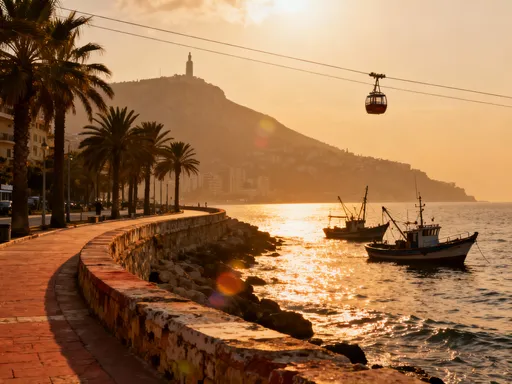
Dining by the sea is a ritual in Nice, a daily celebration of light, salt, and simplicity. The Promenade des Anglais, with its endless stretch of pebbled beach and turquoise water, is lined with cafés that blend tourist appeal with local tradition. While some restaurants cater almost exclusively to visitors, others manage to balance both worlds, offering authentic Niçois dishes in a setting that feels both elegant and easy.
The ideal seaside lunch is understated: a glass of dry rosé from a nearby vineyard, a plate of grilled sardines drizzled with lemon and olive oil, and a side of tomato salad with Niçoise olives. Bread arrives in a basket, still warm, perfect for soaking up the last drops of sauce. A striped towel may be draped over the back of your chair, a sunhat perched nearby—this is dining as part of a larger rhythm, where the meal is not separate from the day but woven into it.
Yet not all seaside restaurants deliver on flavor. Some rely on location rather than quality, serving reheated dishes at inflated prices. To avoid these traps, look for places where locals dine. A café with shaded tables under plane trees, where families gather for Sunday lunch, is more likely to offer genuine cooking. Check the menu for regional specialties—pissaladière, soupe de poissons, or stuffed vegetables—rather than generic “Mediterranean” fare.
Price can also be a clue. While dining with a view comes at a premium, extreme markups often signal compromise. A reasonable range for a main course is between 18 and 28 euros, with wine starting around 6 euros per glass. If prices seem too high or too low, proceed with caution. The best seaside spots charge fairly for quality, offering value without sacrificing taste.
The culture of al fresco dining in Nice is not about luxury—it’s about presence. It’s about slowing down, feeling the breeze, and letting the flavors of the sea and the soil come together on a single plate. Whether you’re seated at a linen-draped table or a plastic bistro set, the experience is the same: a moment of connection, not just to food, but to place, to light, to life.
Cooking Like a Niçois: Markets, Recipes, and Rhythms
To truly understand Niçois cuisine, one must step into the kitchen—or at least into the rhythm of the market. Many visitors now seek immersive experiences: guided market tours, hands-on cooking classes, or even informal lessons from local grandmothers. These moments go beyond tourism; they become acts of cultural exchange, where recipes are passed on not through books, but through gesture, taste, and shared silence.
A morning market tour reveals the logic of Niçois cooking. Guides explain how to choose the ripest tomatoes, how to smell basil for freshness, and why local olive oil tastes fruitier and less bitter than others. They show how anchovies are filleted, how socca batter is mixed, and how a proper pan bagnat is pressed. These details matter—not because they are complicated, but because they reflect a deep respect for process.
Cooking classes, often held in private homes or small studios, allow participants to recreate dishes from scratch. Chopping vegetables for ratatouille, layering pissaladière, or shaping socca in a hot oven—these acts connect you to the hands that have done them for generations. The pace is slow, deliberate, unhurried. There is no rush to finish, no pressure to perform. The goal is not perfection, but presence.
For those who prefer to learn on their own, simply watching how locals cook can be instructive. In small kitchens, ingredients are prepped with care, meals are assembled with intention, and leftovers are never wasted. A piece of yesterday’s bread becomes pan bagnat; leftover vegetables go into a frittata. Cooking in Nice is not about novelty, but about continuity.
And then there are the recipes themselves—simple, seasonal, and deeply satisfying. A classic Niçoise salad requires only five ingredients, but each must be perfect. Ratatouille takes time, but no special skills. Pan bagnat needs only a good roll, quality tuna, and patience. These dishes are accessible, not because they are easy, but because they trust the ingredients. In Nice, cooking is not a performance—it is a practice, a way of being in the world.
Leaving with Flavor: How Food Turns Travel into Memory
When the suitcase is packed and the flight home awaits, what remains of Nice is not just the image of the sea or the sound of church bells—but the taste of socca on your tongue, the scent of basil in your hands, the memory of a shared meal under a striped awning. Sightseeing fades, but flavor lingers. It becomes part of who you are, a quiet echo of a place that welcomed you not just as a visitor, but as a guest.
Food has this power: it turns travel into memory, and memory into longing. Years later, the smell of rosemary or the sight of a Niçoise tomato in a market can bring you back instantly. You remember the warmth of the sun, the kindness of a vendor, the way the wine tasted when shared with strangers who became friends.
And so, many return home with more than souvenirs. They bring back saffron from Cours Saleya, a jar of tapenade, a recipe written on a napkin. They recreate pan bagnat for family dinners, make ratatouille on rainy evenings, and toast socca in their own ovens. These rituals extend the journey, turning a week in Nice into a lifetime of flavor.
Because Nice doesn’t just feed you. It remembers you. It stays with you—in your kitchen, at your table, in the way you now notice the ripeness of a tomato or the quality of olive oil. It teaches you to eat slowly, to choose wisely, to savor deeply. And one day, when you least expect it, the taste of the Mediterranean calls you back—not just to the city, but to a way of living that is simple, rich, and profoundly human.