You Won’t Believe What Medina’s Culture Hides – A Real Traveler’s Journey
Medina isn’t just a spiritual heartland—it’s a living museum of culture, tradition, and quiet wonders. I went expecting prayers and peace, but found so much more: ancient souks, golden sunsets over domes, and warm locals sharing stories over dates and cardamom coffee. This isn’t your typical guidebook checklist. It’s about feeling the city. If you’re seeking authenticity beyond the holy sites, Medina’s cultural soul will surprise you in the best way.
The Soul of Medina: More Than a Holy City
Medina is often described in reverent terms—as one of Islam’s holiest cities, a place of deep religious significance where the Prophet Muhammad is buried. But beneath the spiritual reverence lies a vibrant cultural fabric woven through centuries of history, migration, trade, and daily life. Unlike many cities where modernity has erased the past, Medina preserves its heritage not in museums alone, but in the rhythm of everyday existence. The call to prayer echoes across neighborhoods where families still gather in courtyards for evening meals, children play near century-old walls, and elders sit under shaded arcades sipping tea. This living continuity is what makes Medina unique—not merely as a destination of faith, but as a cultural sanctuary where tradition breathes in every alley and courtyard.
What sets Medina apart from other historic cities is the seamless integration of sacred and secular life. While Mecca draws millions for pilgrimage, Medina welcomes visitors year-round, offering a more intimate experience. Here, spirituality is not confined to mosques; it permeates homes, markets, and even conversations. Yet, this deep religiosity coexists with warmth and openness toward respectful travelers. Families often greet visitors with genuine curiosity, asking where they’ve come from and sharing small stories of their own lives. These moments of human connection, though simple, reveal a city that values hospitality as much as holiness. For those willing to look beyond the prayer mats and minarets, Medina offers a rare glimpse into a culture that has remained resilient, rooted, and richly layered.
Understanding Medina as a cultural hub means recognizing that its identity is shaped not only by religious history but also by geography, climate, and centuries of interaction with pilgrims from across the Muslim world. Located in the Hejaz region of western Saudi Arabia, the city has long been a crossroads for travelers, traders, and scholars. This confluence of influences has created a distinctive local identity—visible in the architecture, cuisine, and even the dialect spoken on the streets. The people of Medina, known as Madani, take pride in their city’s legacy and maintain customs passed down through generations. From the way they prepare food to how they decorate their homes, cultural preservation is not a performance for tourists—it is simply the way of life.
Walking Through History: The Old City’s Living Streets
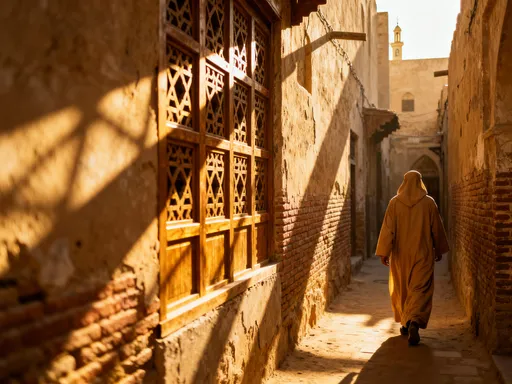
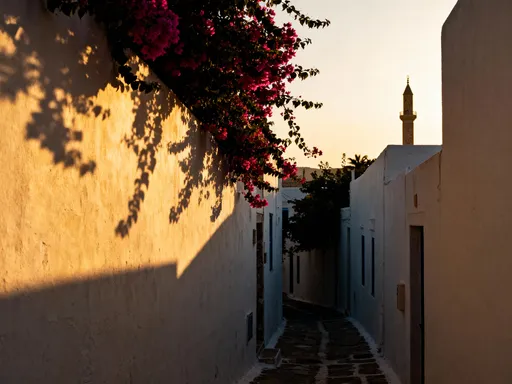
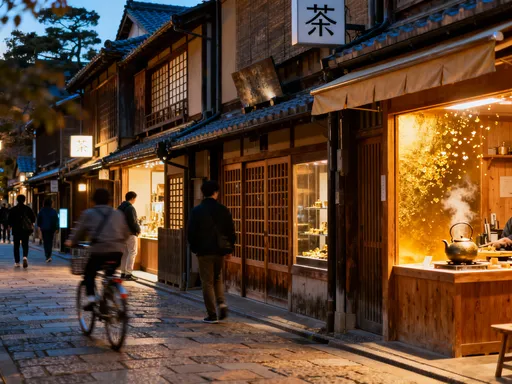
One of the most profound ways to experience Medina’s culture is by walking its old quarters, where time seems to slow and history feels tangible. The narrow, winding lanes of the historic districts are lined with traditional Hejazi houses—structures built from local stone and decorated with intricate wooden latticework known as mashrabiya. These ornate windows, often painted in soft greens or blues, serve both aesthetic and practical purposes: they allow air to circulate in the desert heat while preserving privacy for families inside. Many of these homes have been in the same family for generations, their courtyards blooming with date palms and jasmine vines, offering a quiet contrast to the bustling main roads nearby.
As you wander deeper into the neighborhood, street names begin to tell stories. Some are named after old trades—like Souq al-Dabbaghin (the Tanners’ Market), a reminder of the city’s artisanal past. Others recall historical figures or local legends, such as the alley near the house where a famous scholar once taught. These names are not just labels; they are fragments of collective memory, preserving the city’s oral history in the urban landscape. Even the layout of the streets reflects a time before cars—designed for foot traffic, shaded by overhanging upper floors, and occasionally opening into small plazas where neighbors gather in the late afternoon.
Walking through these areas feels like stepping into a living archive. You might pass an elderly man repairing a wooden door with hand tools, or catch the scent of freshly baked taboon bread drifting from an open window. Children run between houses calling out to each other in the local dialect, and the occasional call to prayer echoes from a nearby mosque, marking the passage of time. There are no entry fees, no tour guides, and no crowds—just the quiet pulse of daily life. For travelers, this kind of immersion is invaluable. It’s not about checking off landmarks, but about absorbing the atmosphere, noticing details, and allowing the city to reveal itself gradually.
What makes these streets so special is that they are not preserved as tourist attractions—they are lived-in, functional, and evolving. Residents maintain their homes with care, often restoring them using traditional methods. In recent years, there has been growing interest in documenting and protecting Medina’s architectural heritage, with local initiatives working to catalog historic buildings and train artisans in traditional craftsmanship. This blend of preservation and everyday use ensures that the old city remains authentic, not frozen in time but continuing to breathe and grow. For visitors, walking these streets is not just a sightseeing activity—it’s an act of witnessing culture in motion.
Al-Nassauq Souq: Where Tradition Meets Daily Life
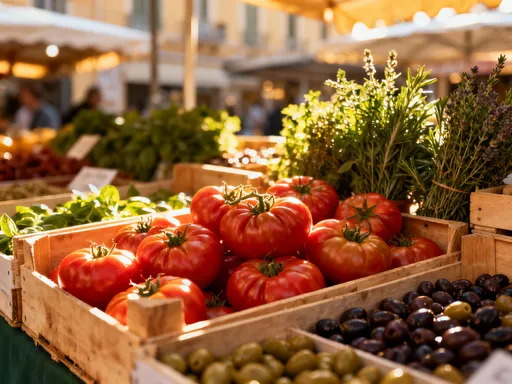
No visit to Medina is complete without experiencing Al-Nassauq Souq, the city’s oldest and most vibrant marketplace. Located just outside the Prophet’s Mosque, this bustling bazaar has been a center of commerce for centuries, drawing locals and pilgrims alike in search of everything from spices to prayer beads. The moment you step into the souq, your senses are awakened: the air is thick with the scent of oud wood, dried rose petals, and saffron; the sound of haggling rises above the clinking of copperware; and colorful displays of textiles, dates, and handmade incense fill every corner. This is not a sanitized shopping mall—it’s a dynamic, chaotic, and deeply authentic space where tradition thrives in the rhythm of daily trade.
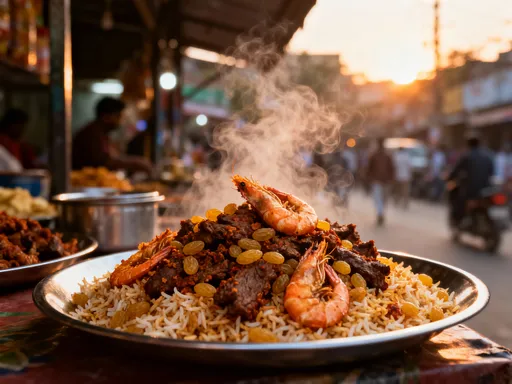
The souq operates on a centuries-old economic model built on personal relationships and trust. Vendors, many of whom have inherited their stalls from their fathers or grandfathers, take pride in their goods and often engage customers in conversation. A shopkeeper might offer you a cup of cardamom coffee while explaining the difference between Yemeni and Omani frankincense. Others proudly display hand-carved miswak sticks, used for natural tooth cleaning, or boxes of locally harvested dates in varieties like sukkari (‘sugar dates’) and ajwa, which are said to have been the Prophet’s favorite. These interactions are not transactional—they are moments of cultural exchange, where knowledge is passed down and hospitality is extended freely.
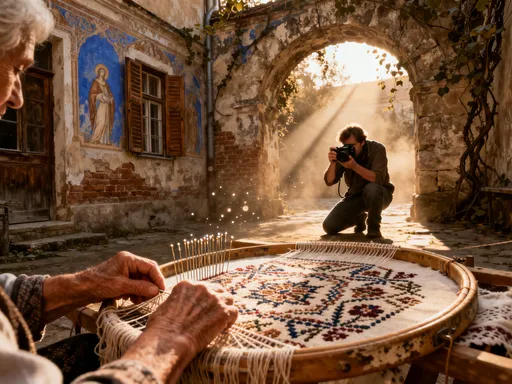
One of the most fascinating aspects of Al-Nassauq is how it preserves artisanal crafts that are disappearing elsewhere. Skilled craftsmen still produce items by hand—whether it’s weaving palm frond baskets, engraving silver jewelry, or blending custom perfume oils. These artisans often work in small, open-front workshops where you can watch them at work, hammering metal or mixing fragrances with precision. Their techniques have been refined over generations, and their products carry both functional and symbolic value. For example, a hand-stitched leather prayer mat is not just an item for sale—it represents patience, devotion, and craftsmanship.
For visitors, engaging with the souq respectfully is key. While bargaining is expected, it should be done with politeness and a smile. It’s also important to ask before taking photographs, especially of people. Many vendors are happy to be photographed if approached kindly, but some prefer privacy, particularly during prayer times when the souq slows down. Shopping here isn’t just about acquiring souvenirs—it’s about participating, however briefly, in a living tradition. Every purchase supports local families and helps sustain a way of life that values quality, authenticity, and human connection over mass production.
Cultural Etiquette: Navigating Medina with Respect
Traveling in Medina requires a heightened awareness of cultural norms, not as a set of restrictions, but as a pathway to deeper understanding. The city’s deeply conservative values stem from its religious significance, and visitors are expected to dress and behave in ways that reflect humility and respect. For women, this means wearing an abaya (a loose black cloak) and ensuring that hair is covered, typically with a headscarf. Men should avoid wearing shorts or sleeveless shirts and opt for long trousers and collared shirts. These guidelines are not arbitrary—they are part of a broader ethos of modesty that shapes daily life in Medina.
Another important aspect of cultural etiquette is the separation of genders in public spaces. In mosques, prayer areas, and even some restaurants, men and women are seated separately. This practice is not meant to exclude, but to preserve an environment of focus and dignity, especially in religious settings. Visitors should follow these arrangements without question, understanding that they are part of the local social fabric. Similarly, public displays of affection—such as holding hands or hugging—are not customary and should be avoided out of respect.
Behavior near sacred sites requires particular sensitivity. The Prophet’s Mosque, especially the Rawdah (the area near the Prophet’s tomb), is treated with the utmost reverence. Visitors are expected to speak softly, avoid loud conversations, and refrain from taking photographs in restricted areas. It’s also customary to remove shoes before entering prayer halls and to maintain a calm, reflective demeanor. These practices are not just rules—they are expressions of devotion that locals observe daily. By adhering to them, travelers show that they value the sanctity of the space.
Ultimately, cultural sensitivity in Medina is about intention. It’s not about perfection, but about showing respect through small, mindful actions—like greeting people with “Assalamu alaikum” (peace be upon you), waiting your turn in crowded areas, or accepting hospitality with gratitude. When travelers approach the city with humility, they are often met with warmth and generosity in return. Respect opens doors—sometimes literally, as families may invite respectful visitors to share a meal or learn about their traditions. In Medina, the way you behave is as important as where you go.
Shared Moments: Experiencing Local Hospitality
Some of the most memorable experiences in Medina happen not in grand mosques or historic sites, but in quiet, unplanned moments of human connection. It might begin with a simple gesture—a shopkeeper offering you a cup of tea, an elder inviting you to sit and talk, or a family sharing dates during iftar in Ramadan. These acts of hospitality are not performed for show; they are rooted in deep cultural values of generosity and kindness, especially toward guests. In Medina, being a visitor often means being treated as an honored guest, even if only for a few minutes.
One of the most touching experiences I had was during Ramadan, when a local family invited me to break fast with them. We sat on cushions in their courtyard, surrounded by potted plants and the soft glow of lanterns. The meal began with sipping water and eating a few dates, following the tradition of the Prophet, and then progressed to a simple but delicious spread of lentil soup, rice, grilled chicken, and fresh salads. As we ate, the father of the household shared stories about growing up in Medina—how the city had changed over the decades, what it was like to live so close to the Prophet’s Mosque, and how Ramadan had always been the most cherished time of year. His children listened quietly, occasionally adding their own memories. There was no agenda, no expectation—just the warmth of shared time.
These moments of connection are not limited to mealtimes. I’ve been invited to watch craftsmen at work, to see a family’s rooftop garden, and even to listen to an old man recite poetry in the dialect of the Hejaz. Each encounter, though brief, offered a deeper understanding of Medina’s soul. What struck me most was the absence of pretense—people shared their lives not for tourism, but because they genuinely wanted to connect. In a world where travel often feels transactional, these experiences reminded me of the power of simple human kindness.
For travelers, openness and gratitude are the keys to unlocking such moments. A sincere smile, a willingness to listen, and a respectful attitude go a long way. It’s also important to accept invitations gracefully, even if only for a short visit. You don’t need to stay for hours—sometimes, five minutes of conversation can leave a lasting impression. These interactions may seem small, but they are the threads that weave together a meaningful journey. In Medina, hospitality is not a service—it’s a way of life.
Seasonal Rhythms: Festivals and Religious Observances
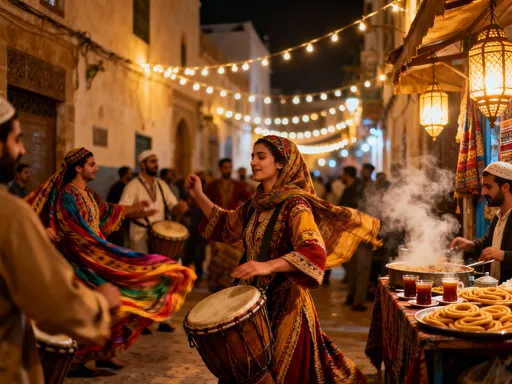
Medina’s cultural life is deeply intertwined with the Islamic calendar, and certain times of the year transform the city into a place of heightened spiritual energy and communal celebration. The most profound of these is Ramadan, when the entire city adjusts its rhythm to the cycle of fasting and prayer. From dawn until sunset, the streets are quiet, but as the call to prayer signals iftar, the city awakens. Families gather for meals, mosques host communal feasts, and the scent of cooking fills the air. The Prophet’s Mosque is especially beautiful at night, illuminated and filled with worshippers from around the world. For visitors, witnessing Ramadan in Medina is a powerful reminder of the city’s role as a center of faith and unity.
Another significant occasion is Mawlid al-Nabi, the celebration of the Prophet Muhammad’s birthday. Though not universally observed across the Muslim world, in Medina it is marked with reverence and joy. Homes and mosques are decorated with green banners and lights—the color associated with the Prophet—and special lectures and poetry recitations are held throughout the city. The atmosphere is one of celebration, but also reflection, as people gather to learn about the Prophet’s life and teachings. While visitors are not expected to participate in religious rituals, they are welcome to observe public events and experience the city’s festive mood.
The Hajj season also brings a unique energy to Medina, as millions of pilgrims pass through on their way to Mecca. Many spend several days in Medina before or after their pilgrimage, adding to the city’s cosmopolitan feel. During this time, the souqs are especially lively, and the sense of global Muslim unity is palpable. The city becomes a meeting point for people from Indonesia, Nigeria, Turkey, and beyond, all sharing a common purpose. For travelers, this is an opportunity to witness the diversity of Islamic culture and the deep devotion that draws people to this part of the world.
Respecting these observances means understanding their sacred nature. Visitors should avoid loud behavior, refrain from eating or drinking in public during fasting hours in Ramadan, and dress appropriately during religious events. Photography should be discreet, especially during prayers or family gatherings. By observing these moments with quiet respect, travelers can appreciate the depth of Medina’s spiritual life without intruding on its sanctity.
Beyond the Mosque: Hidden Cultural Gems
While the Prophet’s Mosque is the heart of Medina, the city holds many lesser-known sites that reveal its broader cultural and historical dimensions. One such place is Quba Mosque, located on the outskirts of the city. Considered the first mosque built in Islam, it stands in a peaceful garden setting where families often gather for prayer and relaxation. The surrounding area, with its shaded walkways and date palms, offers a serene escape from the urban center. Unlike the main mosque, Quba allows for quiet contemplation and a more personal connection to history.
Another hidden gem is the area known as the Seven Mosques, a collection of small historic prayer sites linked to events during the Battle of the Trench. Nestled in a quiet neighborhood, these modest structures are surrounded by gardens and walking paths, creating a contemplative atmosphere. Though not grand in size, they carry deep historical significance and are maintained with care by the local community. Visiting them offers a chance to reflect on Medina’s role in early Islamic history beyond the central narrative.
For those interested in Medina’s non-religious heritage, the Al-Medina Museum provides valuable insights. Housed in a modern building near the old city, it displays artifacts from the region’s past, including traditional clothing, tools, and manuscripts. The exhibits trace the evolution of daily life in Medina, from pre-Islamic times to the present, offering a more complete picture of the city’s identity. While not as large as national museums in Riyadh or Jeddah, it fills an important role in preserving local memory.
Even the city’s natural features tell a story. Ancient wells, such as Bir Ali, once served as vital water sources for travelers and are still visited today. These sites, though simple, connect visitors to the challenges and resilience of desert life. Exploring these hidden corners—whether a quiet garden, a historic gate, or a family-run heritage house—allows travelers to see Medina not just as a religious center, but as a living, breathing city with layers of history waiting to be discovered.
Medina’s true magic lies not just in its sanctity, but in its living culture—every gesture, scent, and story adds depth to the journey. By embracing its traditions with respect and curiosity, travelers don’t just visit Medina; they feel it. This is a city that stays with you, quietly shaping your perspective long after you leave.