You Won’t Believe How Slow Travel Transformed My View of Bodrum
Bodrum, Turkey, isn’t just about yachts and nightlife—it’s a cityscape of hidden alleys, sun-bleached walls, and timeless rhythms. I came for the coast, but stayed for the quiet moments: sipping tea on a rooftop, watching fishing boats bob at dusk. Slow travel changed everything. Instead of ticking off sights, I wandered—getting lost in whitewashed streets, chatting with locals, feeling the pulse of the city. This is Bodrum beyond the brochures. It’s not about how many places you visit, but how deeply you experience one. What began as a simple seaside escape became a lesson in presence, patience, and connection. In slowing down, I discovered a version of travel that lingers not in photos, but in memory, in breath, in the quiet joy of being somewhere—truly somewhere.
The Allure of Slowing Down in a Bustling Coastal Town
Slow travel is not merely a trend; it is a philosophy of engagement. In a place like Bodrum, where the Mediterranean sun glints off marble courtyards and the scent of grilled fish drifts through evening air, the temptation to rush is ever-present. Tourists flock to the marina, snap photos of the Castle of St. Peter, and board sunset cruises without pausing to notice how light filters through olive trees at mid-morning. But true discovery happens in stillness, in the spaces between attractions. Slow travel means shedding the pressure to see everything and embracing the privilege of seeing one thing deeply. It means allowing a single street, a single conversation, to unfold without interruption.
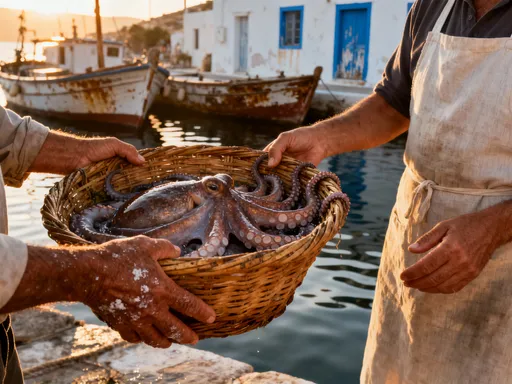
In Bodrum, this approach transforms the experience from sightseeing to sensing. The city, with its layered history and coastal charm, rewards those who move at a human pace. Rather than measuring progress by checklists, slow travelers measure it by moments: the sound of a distant call to prayer echoing over rooftops, the texture of sun-warmed stone beneath fingertips, the shared smile with a fishmonger arranging silver mackerel on ice. These are not curated experiences—they are real, unscripted fragments of daily life. And they only reveal themselves to those who are not in a hurry.
For many visitors, especially those accustomed to fast-paced itineraries, the shift can feel uncomfortable at first. There’s a natural instinct to fill every hour, to optimize every minute. But in Bodrum, optimization is overrated. The city operates on a different rhythm—one that aligns with the tides, the heat of the day, and the natural ebb and flow of local life. By surrendering to this rhythm, travelers step out of the role of observer and into that of participant. They stop watching the culture and begin living within it, even if only for a short while. This is the essence of slow travel: not doing less, but being more.
Discovering Bodrum’s True Cityscape: Beyond the Postcard Views
The image of Bodrum that most tourists carry—the glittering harbor lined with luxury yachts, the white-walled buildings with blue doors, the crowds sipping cocktails under string lights—is real, but incomplete. It captures the surface, not the soul. To understand the city’s true character, one must venture beyond the marina, into the narrow lanes that climb the hillsides, where laundry flaps between balconies and cats nap in shaded doorways. Neighborhoods like Pano Evler and Tepecik offer a quieter, more intimate portrait of Bodrum, where life unfolds at a pace that feels both deliberate and effortless.
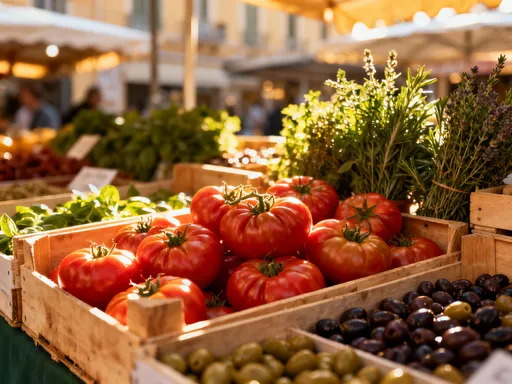
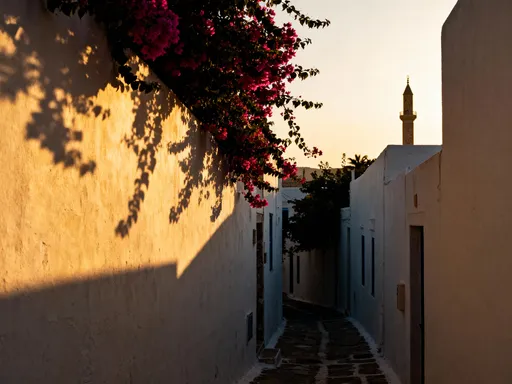
Walking through these districts, the city reveals its textures. Bougainvillea spills over stone walls in bursts of magenta and coral. Wooden shutters creak in the breeze, their paint peeling in gentle layers. Morning fish markets buzz with activity, vendors calling out prices, scales flashing in the sun. The architecture tells its own story—a blend of Aegean simplicity and Ottoman remnants, where whitewashed cubes meet arched doorways and tile-roofed homes. There are no entrance fees here, no guided tours, just the quiet dignity of everyday life.
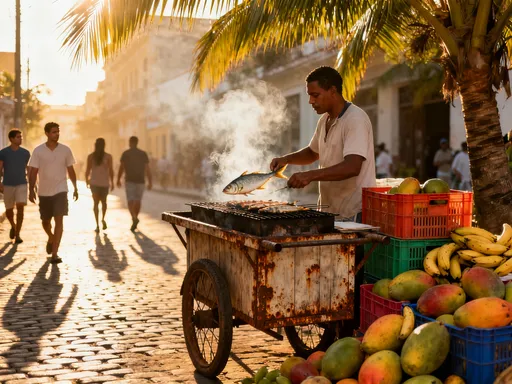
What makes these areas so compelling is not their beauty alone, but their authenticity. They are not preserved for tourists; they are lived in. Children run barefoot down cobbled paths, elders sit on low stools outside corner shops, and the scent of simit—sesame-crusted bread rings—drifts from street carts. This is the Bodrum that locals know, the one that exists outside of travel brochures and Instagram feeds. By exploring these spaces on foot, without a fixed destination, travelers gain access to a version of the city that cannot be packaged or sold. It can only be experienced, moment by moment, step by step.
A Day in the Life: Moving with the City’s Natural Rhythm
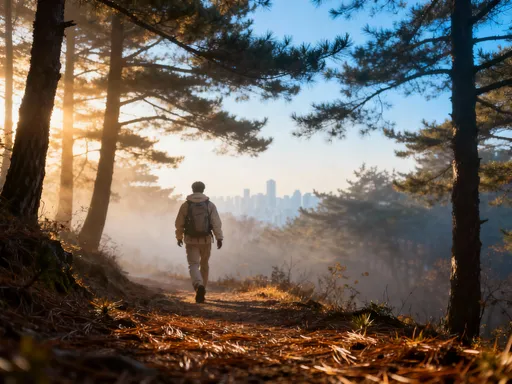
A slow traveler’s day in Bodrum begins early, not out of obligation, but out of opportunity. At dawn, the city stirs gently. Simit vendors push their carts through quiet streets, their bells jingling softly. Ferry workers prepare for the first crossings to nearby islands, checking ropes and fuel lines. The air is cool, the light soft and golden. This is the perfect time to walk—before the heat sets in, before the shops open, before the crowds arrive. The peninsula feels almost private, a secret shared between the early risers and the sea.
By mid-morning, the rhythm shifts. The sun climbs higher, and life slows in response. Locals retreat indoors during the hottest hours, observing a quiet siesta culture that is not officially scheduled but deeply ingrained. Shops close for a few hours, families gather for lunch, and the streets grow still. Visitors who respect this pause—by resting, reading, or simply sitting in a shaded courtyard—find themselves aligning with the city’s natural tempo. Rushing through this time feels jarring, out of sync. But embracing it allows for reflection, for digestion—both literal and metaphorical.
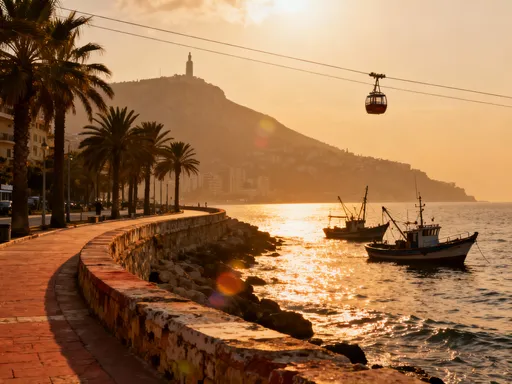
As evening approaches, Bodrum reawakens. The light transforms, casting long shadows and gilding the rooftops in amber. This is when the peninsula comes alive with strollers—locals and travelers alike—moving without urgency, pausing to watch the sky change, to greet neighbors, to sip tea at open-air cafés. The waterfront path becomes a ribbon of movement, a slow procession of people enjoying the cool air and each other’s company. There are no grand events, no loud music, just the simple pleasure of being outside, together. For the slow traveler, this is not an add-on to the day; it is the day’s culmination, a quiet celebration of presence.
Hidden Corners That Define Authenticity
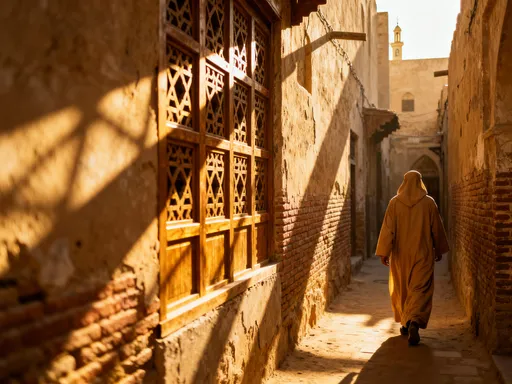
One of the most powerful aspects of slow travel is the ability to stumble upon places that feel untouched by tourism. In Bodrum, these moments often happen in the backstreets behind the Castle of St. Peter, where the noise of the marina fades and the city becomes hushed. Here, narrow alleys twist unexpectedly, opening into small courtyards where jasmine climbs stone walls and the air is thick with its perfume. Doors are hand-painted in faded blues and greens, their wood worn smooth by time and weather. These spaces are not marked on maps, nor do they appear in guidebooks. They exist simply because they have always existed.
Another such place is the network of quiet cafés tucked into residential corners, where older men play backgammon and tea is served in tulip-shaped glasses. These establishments often lack Wi-Fi, not as a gimmick, but as a matter of course. There are no digital distractions, no pressure to order quickly and leave. Conversations unfold slowly, laughter rises and falls, and time feels expansive rather than scarce. Sitting in one of these cafés, a traveler is not a customer but a guest, welcomed into a rhythm that values connection over consumption.
These hidden corners are not about isolation; they are about intimacy. They offer a sense of discovery that cannot be replicated in crowded attractions. To find them, one must be willing to get lost, to turn down a street with no name, to follow the sound of a fountain or the scent of baking bread. And when they are found, they leave a lasting impression—not because they are picturesque, though many are, but because they feel real. In a world where so much of travel is curated and commercialized, these spaces remind us that authenticity still exists, waiting to be noticed by those who move slowly enough to see it.
Connecting with Locals: The Heartbeat of the City
No amount of sightseeing can replace the human connections that arise from slow travel. In Bodrum, these moments often begin with something small: a shared cup of tea with a shopkeeper, a smile exchanged with a fisherman mending his nets, a patient lesson in basic Turkish phrases from a café owner. These interactions are not performances for tourists; they are genuine exchanges, built on mutual curiosity and respect. And they only happen when the traveler is present, unhurried, and open to spontaneity.
Language, even in its simplest form, becomes a bridge. Saying “teşekkür ederim” (thank you) or “merhaba” (hello) may seem small, but it signals an effort to engage, not just observe. Locals respond warmly to this gesture, often replying with a smile, a joke, or an invitation to sit. These conversations rarely last long, but their impact endures. They transform a place from a destination into a community, a collection of individuals with stories, routines, and lives that continue long after the visitor has left.
Respecting the cultural pace is equally important. In Bodrum, rushing is not just inefficient—it feels out of place. Service may be slower, decisions may take time, and plans may change without notice. To the fast traveler, this can be frustrating. But to the slow traveler, it is part of the charm. It reflects a worldview in which relationships matter more than efficiency, and presence matters more than productivity. By adopting this mindset, even temporarily, visitors do not just see the culture—they begin to feel it in their own bones.
Practical Tips for Embracing Slow Travel in Bodrum
Adopting a slow travel approach in Bodrum is not difficult, but it does require intention. The first step is choosing the right accommodation. Staying in the old town, rather than in a resort on the outskirts, places travelers at the heart of daily life. Small guesthouses and family-run pensions offer not just lodging, but connection. Waking up to the sound of church bells or the call to prayer, stepping out onto a quiet street where neighbors greet each other by name—these are the textures of immersion.
Transportation choices also matter. Instead of relying on taxis or organized tours, slow travelers benefit from using public ferries and walking. The ferry system connects Bodrum to nearby islands like Datça and Kos, offering not just scenic rides but glimpses into regional life. On foot, every step reveals something new—a hidden garden, a street musician, a bakery with warm bread just out of the oven. Walking is not just a way to get from place to place; it is a way to experience the city sensorially, one block at a time.
Packing lightly supports this philosophy. With less to carry, movement becomes easier, decisions simpler. Staying longer—ideally a week or more—allows rhythms to settle, routines to form, and connections to deepen. It also reduces the pressure to “see everything,” making space for repetition, reflection, and spontaneity. Finally, letting plans unfold naturally, rather than scheduling every hour, creates room for the unexpected: a chance invitation, a sudden rainstorm that leads to a cozy café, a conversation that lasts longer than expected. These are not deviations from the trip—they are the trip.
Why This Way of Travel Matters—Now More Than Ever
In an age of instant gratification and constant connectivity, slow travel offers a quiet rebellion. It resists the urge to consume experiences rapidly and instead advocates for depth over breadth. In Bodrum, this approach has tangible benefits. Environmentally, it reduces the carbon footprint associated with frequent transit and mass tourism. Culturally, it supports local businesses, preserves traditions, and fosters mutual respect between visitors and residents. But perhaps most importantly, it restores a sense of meaning to travel.
Too often, tourism leads to checklist fatigue—visitors return home exhausted, their cameras full but their spirits empty. They have seen much but felt little. Slow travel reverses this pattern. By engaging deeply with one place, travelers build memories that are not just visual but emotional. They remember not just what they saw, but how they felt: the warmth of the sun on their skin, the taste of fresh figs, the sound of laughter in a courtyard. These are the moments that stay with us, that shape how we see the world.
Moreover, slow travel invites us to see cities not as backdrops for our photographs, but as living, breathing entities with their own histories, rhythms, and dignity. Bodrum is not a stage set; it is a home. When we move through it slowly, we honor that truth. We become not just witnesses, but temporary participants in a life that continues with or without us. This is not tourism as escape, but as connection. And in a world that often feels fragmented and fast, that connection is more valuable than ever.
Slow travel in Bodrum isn’t a luxury—it’s a return to presence. By stepping off the fast track, we don’t just see the city; we feel it. In its quiet corners and unhurried rhythms, we find a deeper kind of journey. One that doesn’t measure distance in miles, but in moments of stillness, in shared glances, in the simple act of being somewhere, fully. This is not just how to travel better. It is how to live better—wherever we are.