What Casablanca’s Festivals Are Hiding Will Blow Your Mind
You know that feeling when you think you’ve seen it all, and then a city like Casablanca hits you with something totally unexpected? I went looking for beaches and medinas, but what I found were vibrant festivals—alive with music, color, and tradition. These aren’t just tourist shows; they’re real, raw celebrations woven into daily life. From street processions to nighttime drum circles, Casablanca’s festival scene is a whole other side of Morocco most travelers never see. Beneath its reputation as a bustling port and economic hub lies a cultural heartbeat that pulses strongest during moments of communal joy. This is not a city that performs for visitors—it celebrates for itself, and if you’re lucky, you’re invited in.
First Impressions: Casablanca Beyond the Postcard
Casablanca is often reduced to a single image: the grand façade of the Hassan II Mosque rising over the Atlantic, its minaret piercing the clouds like a beacon of modern Morocco. Tourists pass through on their way to Marrakech or Fes, treating it as a transit point rather than a destination. Yet to dismiss Casablanca as merely a commercial capital is to overlook its soul. This city of over 3 million people is a dynamic blend of colonial architecture, Art Deco gems, and high-rise ambition, but its true character emerges not in its skyline, but in its streets—especially during festival season.
Many assume Casablanca lacks the cultural depth of Morocco’s imperial cities. Unlike Fes with its ancient medina or Marrakech with its centuries-old souks, Casablanca was reshaped under French influence in the 20th century, giving it a more cosmopolitan, even industrial, identity. But this modernity doesn’t erase tradition—it frames it. The city’s festivals reveal a different narrative: one where tradition isn’t preserved behind museum glass but lived, adapted, and amplified in neighborhoods like Derb Omar, Ain Diab, and the historic medina.
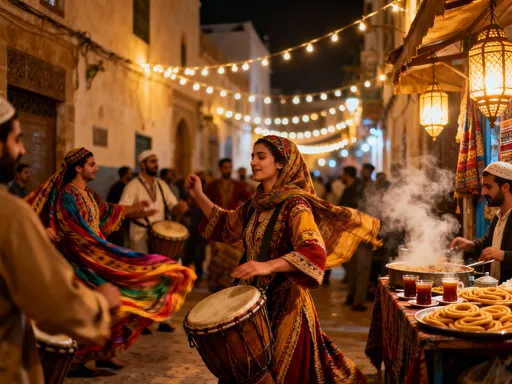
I learned this during a quiet evening walk along Rue Mohammed el Beqal, not far from the bustling Habous Quarter. The sun had just set, and I expected the usual hum of traffic and closing shops. Instead, I turned a corner and found the street transformed. Strings of colored lights crisscrossed overhead, children darted between tables piled with sweets, and the air carried the rich scent of cumin, saffron, and grilling lamb. A small stage had been set up, where a local band played a fusion of chaabi and Andalusian melodies. No signs, no ticket booths—just a spontaneous neighborhood celebration, likely for a local saint’s day or a family’s wedding. It was unplanned, uncommercialized, and utterly unforgettable.
The Heartbeat of the City: Annual Festivals You Can’t Miss
If Casablanca has a cultural pulse, it quickens each spring during the Mawazine Festival, one of the largest music events in Africa and the Arab world. While the festival spans multiple Moroccan cities, Casablanca hosts major stages that draw both international stars and homegrown talent. From pop legends to classical Arab orchestras, the lineup reflects Morocco’s openness to global influences while staying rooted in regional sounds. In venues like the Parc de la Ligue Arabe, tens of thousands gather for free concerts that blend tradition and modernity—where a Gnawa maalem might share the stage with a French-Moroccan rapper.
Though the Gnaoua World Music Festival is officially based in Essaouira, its spirit spills into Casablanca, especially in the weeks leading up to it. Local clubs and cultural centers host warm-up events featuring Gnaoua musicians, whose hypnotic rhythms and spiritual chants trace back to sub-Saharan African roots. These performances aren’t just entertainment; they’re rituals of healing and remembrance, often lasting late into the night. In Casablanca, you’ll find younger artists reinterpreting these traditions—mixing electronic beats with the krakebs (metal castanets), creating a sound that resonates with urban youth while honoring ancestral lineage.
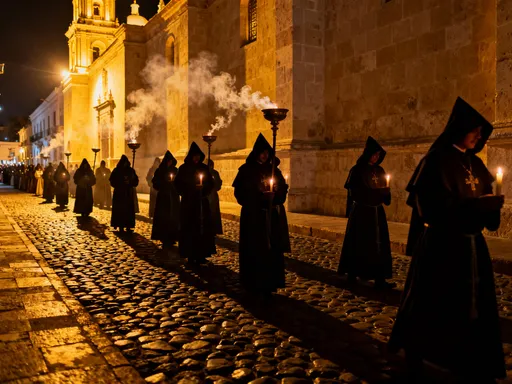
Equally significant are the festive nights of Ramadan, when the city undergoes a nightly transformation. As the call to prayer echoes across the skyline, families break their fast together in parks, on rooftops, and in packed street-side tents. The medina comes alive with vendors selling harira soup, chebakia, and freshly squeezed pomegranate juice. In the days leading to Eid al-Fitr, markets overflow with new clothes, pastries, and gifts. These aren’t commercial spectacles—they’re deeply personal expressions of faith, family, and community. For visitors, witnessing these moments offers a rare glimpse into Moroccan life beyond the postcard.
Street Life as Celebration: Spontaneous Festival Moments
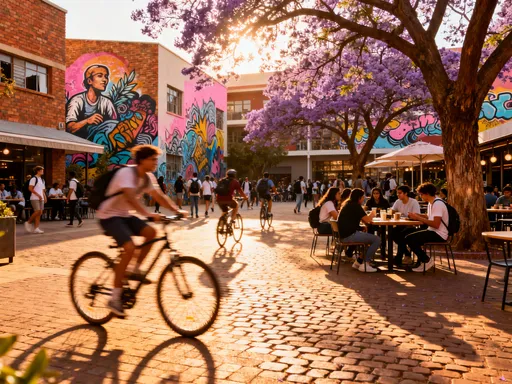
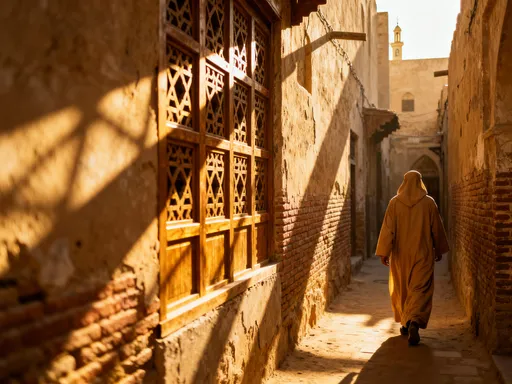
In Casablanca, celebration isn’t always scheduled. Some of the most powerful festival experiences arise organically, emerging from the rhythm of daily life. Neighborhoods like Derb Ghallef, Sidi Belyout, and Hay Mohammadi are not tourist destinations, yet they pulse with cultural energy, especially during religious holidays, weddings, or seasonal festivals. Here, music isn’t confined to concert halls—it spills from balconies, fills alleyways, and dances through open windows.
One afternoon, while exploring the old medina near the Grand Mosque, I heard the sudden beat of a bendir drum growing louder. Within minutes, a wedding procession emerged—a joyful parade of men and women in traditional caftans, dancing in circles as musicians played upbeat chaabi tunes. A woman handed me a cup of sweet mint tea, urging me to join. I hesitated, but she laughed and pulled me in. Soon, I was clapping along, surrounded by strangers who felt like family. There was no stage, no audience—just pure, unscripted joy. This, I realized, is how culture lives: not in performance, but in participation.
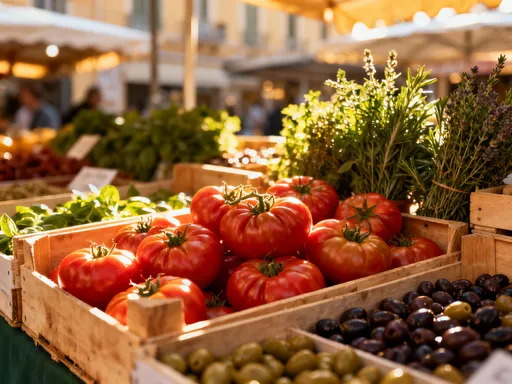
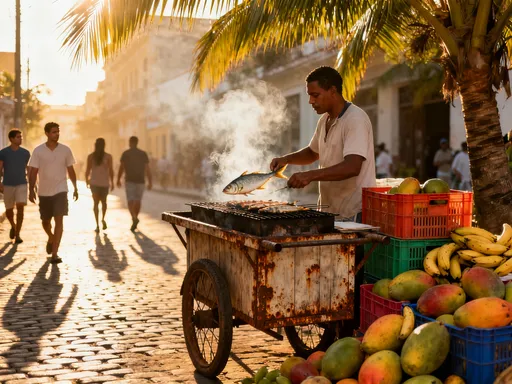
Local artisans and street vendors play a crucial role in these moments. During festival seasons, small workshops in the medina work overtime to produce hand-embroidered textiles, painted ceramics, and intricate jewelry. Food stalls become social hubs, where generations gather to share msemen, harsha, and other regional specialties. These aren’t just economic activities—they’re acts of cultural preservation. Every dish, every rhythm, every pattern carries stories passed down through families, adapting with each generation but never losing their essence.
Sights, Sounds, and Flavors: Immersive Festival Experiences
To experience a festival in Casablanca is to engage all the senses. The city offers a sensory tapestry that few destinations can match. Listen closely, and you’ll hear the layered rhythms of Andalusian music—lutes, flutes, and hand drums weaving melodies that feel both ancient and immediate. Watch as women in brightly colored djellabas move through crowded markets, their hands adorned with henna, their laughter rising above the din. Smell the warm aroma of freshly baked bread, spiced tea, and orange blossom water drifting from open-air ovens and family kitchens.
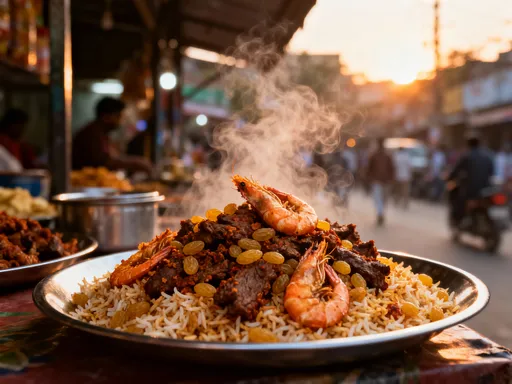
Taste is perhaps the most intimate gateway to understanding Casablanca’s festivals. During Eid al-Fitr, tables groan under the weight of festive dishes: lamb tagine with prunes, couscous with seven vegetables, and mountains of almond-filled pastries like gazelle horns and sellou. These foods are more than sustenance—they’re symbols of abundance, gratitude, and shared identity. Even a simple msemen dipped in honey becomes a ritual, a moment of sweetness marking a break from weeks of fasting.
For travelers, the key is to seek authenticity. Avoid overpriced “cultural dinners” aimed at tourists. Instead, visit local markets like Marché Central or the stalls around Place Mohammed V during festival weeks. Eat where families eat. Accept invitations when offered. Many Moroccans welcome respectful visitors into their celebrations, especially during times of joy. A smile, a polite greeting in Arabic or Darija, and a willingness to participate go much further than any guidebook recommendation.
Navigating the Festivals: A Traveler’s Guide to Timing and Access
Timing is everything when planning a festival-focused trip to Casablanca. The best months to visit are from late April to early July, when the weather is warm but not oppressive, and major events like Mawazine take place. However, the most culturally rich experiences often coincide with religious holidays, particularly Ramadan and Eid al-Fitr. While non-Muslim travelers may not fast, they can still engage deeply with the festive atmosphere—especially in the evenings, when cities come alive with communal iftars and night markets.
Staying informed requires a blend of planning and flexibility. Official tourism websites and local news outlets publish event schedules, but the most authentic gatherings are rarely advertised internationally. Instead, rely on community bulletin boards, cultural centers like the Villa des Arts, or trusted Moroccan-run tour operators who specialize in immersive travel. Many local guides offer festival walking tours during peak seasons, providing access to events that might otherwise go unnoticed by outsiders.
Transportation in Casablanca is relatively straightforward. The tram system connects major neighborhoods, including the city center, Ain Diab, and the airport. During large festivals, additional buses and extended tram hours are often implemented. Taxis are widely available, though it’s wise to agree on fares beforehand. Safety is generally high, especially in well-populated areas during public events. Still, exercise standard precautions—keep valuables secure, stay aware of your surroundings, and respect local customs.
Cultural etiquette is essential. Dress modestly, especially during religious holidays. Avoid eating, drinking, or smoking in public during daylight hours in Ramadan out of respect for those fasting. When photographing people, always ask permission—especially during intimate moments like prayers or family gatherings. Most importantly, approach each experience with humility. You are a guest in a living culture, not a spectator at a show.
Why These Festivals Matter: Culture, Identity, and Connection
In a world where globalization threatens to homogenize local traditions, Casablanca’s festivals stand as acts of quiet resistance. They are not curated for outsiders but sustained by locals who value their heritage. These celebrations reinforce social bonds—between generations, neighborhoods, and communities. They provide space for young Moroccans to connect with their roots while expressing modern identities. A teenager in a hoodie dancing to Gnawa beats is not rejecting tradition; he is redefining it.
Festivals also serve as anchors of national identity. In a rapidly modernizing city, where glass towers rise beside centuries-old mosques, these events remind residents of who they are and where they come from. They celebrate resilience, creativity, and faith. Whether it’s a Ramadan night market or a spontaneous wedding dance, each moment reinforces a sense of belonging—a reminder that progress need not erase the past.
For visitors, these festivals offer something equally profound: connection. In a single evening, you might share tea with a stranger, dance to rhythms you’ve never heard, and taste foods that transport you across time. These are not transactional experiences—they are human ones. They dissolve barriers, replacing them with shared laughter, music, and memory. In that exchange, something beautiful happens: the realization that joy, like culture, is meant to be shared.
Final Thoughts: Rediscovering Casablanca Through Its Festivals
Casablanca is more than a gateway to Morocco—it is a cultural destination in its own right. Its festivals reveal a side of the city that guidebooks often overlook: vibrant, inclusive, and deeply rooted in community. This is not a place of static monuments, but of living traditions—where every drumbeat, every shared meal, every burst of laughter tells a story.
The true magic of Casablanca’s festivals lies in their authenticity. They are not staged for cameras or scheduled for convenience. They emerge from the heart of the city, shaped by its people, its history, and its spirit. To experience them is to move beyond sightseeing and into belonging—even if just for a moment.
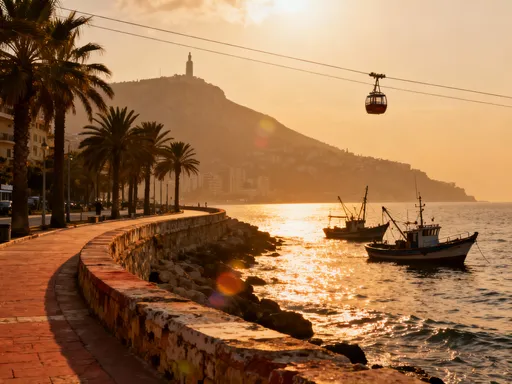
So the next time you plan a trip to Morocco, don’t rush past Casablanca. Stay for the nights when the streets light up, when the music begins, and when the city reveals its soul. Walk the Corniche at dusk, as the call to prayer blends with distant drums. Let the rhythm guide you—not to a destination, but to a deeper understanding of what it means to celebrate, to connect, and to be human. In Casablanca, the real journey doesn’t begin when you arrive. It begins when you let go, join the dance, and realize that the most unforgettable moments are the ones you never planned.