You Won’t Believe What Kanazawa’s Streets Are Hiding
Kanazawa, Japan, is more than a quiet cultural gem—it’s a city where tradition pulses through bustling commercial streets. I walked its avenues, not just as a tourist, but as someone chasing the rhythm of daily life. What I found wasn’t just old temples and gardens, but vibrant markets, hidden boutiques, and food stalls bursting with flavor. These commercial zones don’t just sell things—they tell stories. From the morning bustle of Omicho Market to the lantern-lit alleys of Higashi Chaya, every corner offers a sensory journey into centuries-old customs, now reimagined with modern grace. Kanazawa resists the pull of mass tourism, instead offering an authentic urban rhythm where commerce and culture move in harmony. This is not a city preserved behind glass—it lives, breathes, and invites you in.
The Pulse of Kanazawa: Why Its Commercial Areas Are Unexpectedly Viral
Kanazawa’s rise as a destination with quietly viral appeal stems from its rare balance between preservation and progress. While cities like Kyoto grapple with overtourism, Kanazawa has cultivated a reputation for authenticity that resonates deeply with travelers seeking meaningful connection. Its commercial districts—far from being mere shopping zones—function as living galleries of regional identity. Social media has amplified this charm, with travelers sharing images of gold-leaf ice cream, steaming bowls of jibuni, and sun-dappled machiya storefronts. Yet, unlike other Instagram-famous locales, Kanazawa avoids the trap of performative tourism. The city’s economic policies prioritize local enterprise, ensuring that boutiques, eateries, and craft shops remain in the hands of residents rather than international chains.
This authenticity is not accidental. Kanazawa’s historical wealth, derived from its status as a feudal stronghold under the Maeda clan, laid the foundation for a culture of refined craftsmanship and civic pride. Today, that legacy translates into commercial spaces that feel curated rather than commercialized. The city government has implemented thoughtful urban planning, including pedestrian-friendly zones and heritage conservation programs, allowing commerce to flourish without sacrificing character. As a result, visitors experience a place where daily life unfolds naturally—fishmongers banter with regulars at Omicho Market, artisans demonstrate gold-leaf application in open workshops, and tea masters serve matcha in centuries-old teahouses. These moments are not staged for tourists; they are the pulse of the city.
Moreover, Kanazawa’s accessibility enhances its appeal. The Hokuriku Shinkansen connects it to Tokyo in just over two and a half hours, making it an ideal destination for both domestic and international travelers. Yet, the city has resisted the temptation to overdevelop. Hotels are modest in scale, signage is tasteful and multilingual without being intrusive, and public transportation remains efficient and intuitive. This measured growth ensures that commercial vibrancy does not come at the cost of livability. For the discerning traveler—particularly those who value culture, craftsmanship, and calm—Kanazawa offers a refreshing alternative to Japan’s more crowded destinations.
Kenrokuen to Kanamecho: From Classic Beauty to Urban Energy
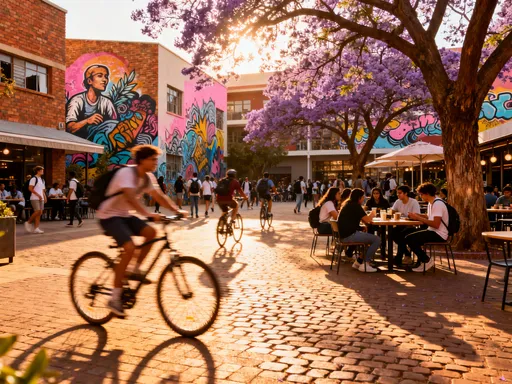
The journey from Kenrokuen Garden to Kanamecho District encapsulates Kanazawa’s seamless blend of serenity and vitality. Kenrokuen, often ranked among Japan’s top three landscape gardens, offers a masterclass in balance—its ponds, bridges, and carefully placed stones embodying centuries of horticultural wisdom. Yet just a short walk away, the energy shifts. Kanamecho, once a merchant quarter, now thrives as a hub of contemporary urban life. Here, traditional tiled roofs sit beside glass-fronted cafés, and the scent of roasting coffee blends with the faint aroma of incense from nearby temples.
Kanamecho’s evolution reflects a broader trend in Kanazawa: the respectful adaptation of historic spaces for modern use. Boutiques showcase locally designed clothing, often incorporating traditional textiles like kasuri or yuzen-dyed silks in modern cuts. Artisanal cafés serve single-origin pour-overs and matcha lattes in minimalist interiors that highlight the city’s design sensibility. Small galleries exhibit works by Kanazawa College of Art graduates, many of whom stay in the city to build creative careers. This synergy between past and present gives Kanamecho a distinctive character—it is neither a museum nor a generic shopping district, but a dynamic urban space where culture is lived, not just observed.
Evening in Kanamecho brings a different rhythm. Lanterns glow softly above cobblestone sidewalks, and izakayas fill with office workers and families enjoying regional specialties like grilled ayu fish and Kanazawa-style sushi. The district’s compact size makes it ideal for leisurely exploration, with wide sidewalks and ample seating encouraging visitors to pause and absorb the atmosphere. For the 30- to 55-year-old traveler—often balancing curiosity with comfort—Kanamecho offers a perfect blend of accessibility and authenticity. It’s a place where one can sip craft tea in the afternoon and join a lively dinner conversation by night, all within a few quiet blocks.
Omicho Market: A Symphony of Senses and Stories
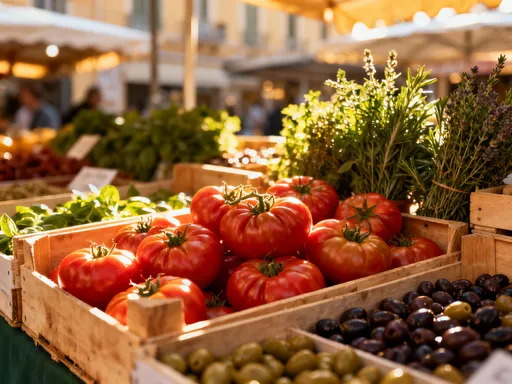
No visit to Kanazawa is complete without a morning spent at Omicho Market, a covered arcade of stalls that has served as the city’s culinary heart for over two centuries. Spanning four blocks, the market pulses with life from early dawn, when fishermen unload the day’s catch from the Sea of Japan. The air is rich with the briny scent of fresh seafood, mingling with the sweet aroma of grilling mochi and the tang of pickled vegetables. Visitors move slowly through the narrow lanes, eyes darting from stall to stall—here, a pyramid of plump sweet shrimp; there, a vendor slicing buttery kanburi (yellowtail) with practiced precision.
Omicho is more than a marketplace—it is a performance of regional pride. Many vendors are third- or fourth-generation purveyors, their stalls passed down through families. One might find a woman arranging sashimi with surgical care, her hands moving swiftly over chilled trays, while her son explains the difference between Hokkoku crab and zuwai crab to a curious tourist. Another stall specializes in jibuni, a Kanazawa delicacy of duck simmered in a rich soy-kombu broth, often served with handmade udon. Nearby, a shop offers gold-leaf-topped ice cream, a whimsical nod to Kanazawa’s status as the country’s leading producer of this delicate craft.
The market’s appeal lies not only in its offerings but in its rhythm. Locals come not just to shop but to connect—exchanging greetings, sharing recipes, and sampling bites as they go. For visitors, this creates an immediate sense of inclusion. There are no barriers between buyer and seller, no sense of being an outsider. Many stalls offer small tasting portions, encouraging exploration. A first-time visitor might start with tamago (sweet omelet) on a stick, then try a warm bowl of oden, and end with a cup of freshly pressed apple juice. Each bite tells a story of seasonality, craftsmanship, and community.
Omicho also reflects Kanazawa’s commitment to sustainability. Seafood is sourced responsibly, with an emphasis on local species and seasonal availability. Vendors proudly display certifications and origin labels, reinforcing trust in their products. Waste is minimized through reusable containers and composting programs, aligning with broader environmental goals. For the environmentally conscious traveler, this attention to detail enhances the experience, making every purchase feel intentional and respectful.
Higashi Chaya District: Where Tradition Serves You Tea (and Style)
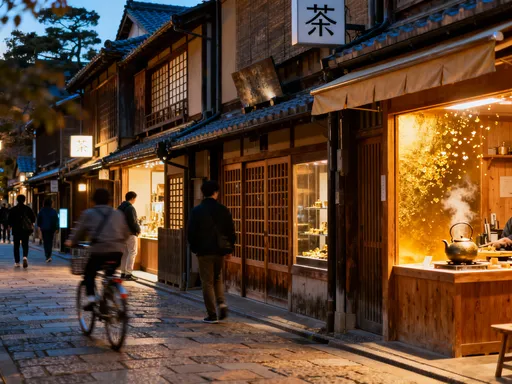
Stepping into Higashi Chaya District is like entering a living diorama of Edo-period elegance. As one of Kanazawa’s three historic geisha districts, it has been meticulously preserved, its wooden machiya townhouses lining narrow lanes paved with river stones. Unlike some heritage zones that feel frozen in time, Higashi Chaya thrives as a center of cultural commerce. Tea houses welcome visitors with warm bowls of matcha and delicate wagashi sweets, while gold-leaf workshops invite guests to try their hand at applying 24-karat flakes to paper or ceramics.
The district’s charm lies in its authenticity. While geiko (the local term for geisha) still perform private gatherings in closed teahouses, the public-facing businesses cater to those seeking immersion without intrusion. A visit to Shima Teahouse, a designated cultural property, offers a glimpse into the refined world of traditional hospitality. Guests sit on tatami mats, sipping tea served with precise grace, while the architecture itself—the latticed windows, hidden staircases, and secluded gardens—tells stories of discretion and artistry. Nearby, small shops sell handcrafted fans, silk scarves, and Kutani porcelain, each item reflecting generations of skill.
What sets Higashi Chaya apart is its balance between reverence and accessibility. Visitors are not merely observers; they are participants. A mother and daughter might spend an afternoon painting gold leaf onto a sake cup, laughing as their hands tremble with concentration. A couple may sit on a veranda, sharing a pot of hojicha while watching the afternoon light filter through paper lanterns. These experiences are not rushed or commercialized—they unfold at the pace of tradition, inviting reflection and connection. For the traveler who values depth over speed, Higashi Chaya offers a rare opportunity to engage with culture in a meaningful way.
The district also supports local artisans by providing a sustainable marketplace for their work. Many shop owners are craftspeople themselves, demonstrating techniques passed down through apprenticeships. This direct connection between maker and customer fosters trust and appreciation. Buying a gold-leaf coaster or a hand-thrown teacup is not just a souvenir purchase—it is an act of cultural preservation, ensuring that these crafts continue to thrive.
Hidden Streets & Modern Finds: Kanazawa’s Offbeat Shopping Scene
Beyond the well-trodden paths of Omicho and Higashi Chaya, Kanazawa reveals a more contemporary side in its lesser-known neighborhoods. Nagamachi, once home to samurai retainers, now hosts a growing number of boutique galleries and design studios. Here, narrow lanes lead to minimalist shops selling everything from hand-forged kitchen knives to indigo-dyed homewares. The atmosphere is quiet, almost meditative, with the occasional chime of a wind bell marking the passage of time.
Not far from Kanazawa Station, the Umimirai District showcases the city’s forward-looking spirit. Modern architecture blends with public art installations, and lifestyle stores feature products from local designers—ceramic vases with subtle glazes, linen clothing with clean lines, and notebooks bound in traditional washi paper. These shops attract a younger, creative demographic, yet they remain deeply rooted in Kanazawa’s artisanal heritage. A visit to one of the ceramic studios might include a demonstration of yohen glazing, a technique that produces unpredictable, flame-like patterns during firing.
What makes these offbeat spots special is their sense of discovery. They are not listed in every guidebook, nor do they rely on foot traffic from tour groups. Instead, they thrive on word-of-mouth and the curiosity of travelers who seek something beyond the obvious. A small shop in Nagamachi might display only a few items—a single roll of handwoven fabric, a set of chopsticks carved from persimmon wood—but each object carries intention and history. For the discerning shopper, these finds are more meaningful than mass-produced souvenirs.
Kanazawa’s support for creative entrepreneurship is evident in its incubator programs and craft fairs, which provide platforms for emerging makers. The city recognizes that innovation does not require abandoning tradition—it can grow from it. This philosophy is visible in hybrid spaces like cafés that double as exhibition venues, where one might sip coffee from a locally made mug while browsing photographs of seasonal festivals. These spaces foster community and continuity, ensuring that Kanazawa’s cultural economy remains vibrant and inclusive.
How to Navigate Kanazawa’s Commercial Heart Like a Local
Experiencing Kanazawa’s commercial districts with ease requires a blend of planning and spontaneity. The LOOP Bus, a convenient circular route, connects major sites including Kanazawa Station, Kenrokuen Garden, and Higashi Chaya. Tickets are affordable and available at convenience stores or vending machines, making it easy for visitors to hop on and off. For those who prefer walking, the city center is compact and well-signed, with maps available in multiple languages at tourist information centers.
Timing enhances the experience. Omicho Market is best visited in the morning, when the fish auctions conclude and the stalls are fully stocked. By midday, some vendors begin to close, so arriving early ensures the freshest selections. Higashi Chaya District, in contrast, takes on a magical quality in the late afternoon and early evening, when lanterns are lit and the wooden facades glow in the soft light. Kanamecho’s cafés are ideal for midday breaks, while Nagamachi’s quieter streets are perfect for a reflective afternoon stroll.
Etiquette matters, especially in traditional spaces. When entering a tea house, it is customary to remove shoes and speak softly. Tipping is not expected in Japan, and cash is still widely used, though many shops now accept credit cards and mobile payments like PayPay. Carrying some yen is advisable, particularly in smaller stalls and markets. Visitors should also be mindful of photography rules—while public areas are generally open to photos, private teahouses and residential sections of Nagamachi may restrict filming.
Seasonal events add another layer of richness. In spring, cherry blossoms frame the market entrances; in autumn, chestnut and persimmon specialties appear in stalls. Winter brings the Kanazawa Gold Festival, celebrating the city’s signature craft with light displays and live demonstrations. These moments offer unique opportunities to engage with local life, whether sampling seasonal sweets or watching artisans at work.
Why These Streets Matter: Commerce as Cultural Preservation
The commercial streets of Kanazawa are not merely places of transaction—they are vital organs of cultural continuity. Every purchase supports a craftsperson, a farmer, or a family-run business that has sustained regional traditions for generations. When a visitor buys a piece of Kutani porcelain, they contribute to a lineage of ceramic artistry dating back to the 17th century. When they eat at a market stall, they sustain a food culture shaped by the rhythms of the Sea of Japan. This is commerce with conscience, where every choice reinforces identity and resilience.
Kanazawa’s model offers a powerful lesson for cities worldwide: economic vitality and cultural preservation are not opposing forces. By prioritizing local ownership, sustainable practices, and thoughtful urban design, the city has created a tourism economy that serves both residents and visitors. Small businesses thrive not in spite of modernity, but because they adapt to it with integrity. The result is a destination that feels alive, not curated.
For the 30- to 55-year-old traveler—often seeking depth, authenticity, and meaningful connection—Kanazawa delivers. It is a place where one can slow down, engage the senses, and participate in a living heritage. The streets do not shout for attention; they whisper stories of craft, care, and continuity. To walk them is to understand that travel is not just about seeing, but about belonging, even if only for a moment.
Kanazawa’s commercial streets are not just places to spend money—they’re where culture breathes. By supporting local vendors, visitors become part of a story centuries in the making. This is travel with meaning, connection, and flavor. Next time you plan a trip, ask: does it let you live the destination? Kanazawa says yes.