You Won’t Believe These Secret Spots in Las Vegas
When you think of Las Vegas, neon lights and casinos probably come to mind—but there’s a whole other side to this desert city. Beyond the Strip, I discovered breathtaking scenic spots most tourists never see. From hidden canyons to serene nature trails, these off-the-beaten-path gems offer stunning views and peaceful escapes. Trust me, Las Vegas is more than just gambling and shows—it’s an unexpected playground for nature lovers. While millions flock to the bright lights each year, few realize that within a one-hour drive, dramatic red rock formations, cool mountain forests, and ancient desert landscapes await. This quieter, wilder version of Las Vegas invites exploration, reflection, and a deep appreciation for the natural world just beyond the urban glow.
The Hidden Side of Las Vegas
Most travelers picture Las Vegas as a 24-hour spectacle of music, lights, and nonstop entertainment. The image is accurate—but incomplete. While the Strip dazzles with its energy and extravagance, the surrounding Mojave Desert cradles a landscape of quiet majesty that few visitors take time to explore. Just minutes from the bustling center of the city, rugged canyons, sweeping desert vistas, and high-altitude forests offer a striking contrast to the urban environment. These natural wonders remain overlooked, not because they lack beauty, but because they don’t advertise themselves with billboards or celebrity endorsements.
Yet, for those willing to step away from the casino floors and crowded pools, a different kind of adventure unfolds. The region’s geology tells a story millions of years in the making, shaped by wind, water, and tectonic forces. Layers of red rock reveal ancient seabeds, while wind-carved formations stand like silent sentinels across the horizon. What many don’t realize is that Las Vegas sits at the edge of one of North America’s most diverse and visually stunning desert ecosystems. The city is not just a destination for entertainment—it’s a gateway to some of the most accessible yet underappreciated natural landscapes in the American Southwest.
Exploring these hidden spots allows travelers to experience a sense of discovery that’s rare in today’s highly curated tourism industry. There are no long lines, no entry fees at every turn, and no crowds blocking the view. Instead, there’s space, silence, and the chance to connect with nature in its rawest form. Whether it’s watching the sunrise paint the cliffs in golden hues or hiking through a canyon untouched by time, these moments offer a refreshing counterbalance to the sensory overload of the Strip. The real magic begins when you realize that Las Vegas is not just a city of illusions—it’s surrounded by authentic, awe-inspiring beauty.
Red Rock Canyon: Nature’s Masterpiece
Just a 30-minute drive west of the Strip, Red Rock Canyon National Conservation Area emerges like a painted wall rising from the desert floor. Its dramatic red Aztec sandstone cliffs, shaped by eons of erosion, stretch over 13 miles and tower up to 3,000 feet in places. This protected area covers nearly 200,000 acres and offers a network of trails, scenic drives, and rock formations that rival any national park in visual impact. Despite its proximity to the city, Red Rock Canyon remains a peaceful retreat where the sounds of traffic fade into the rustle of desert winds and the calls of ravens overhead.
One of the most rewarding hikes in the area is the Calico Tanks trail. This moderate-to-strenuous path winds through narrow rock passages and requires some light scrambling, but the payoff is a series of natural sandstone basins that once held rainwater and now offer panoramic views of the Las Vegas Valley. Early risers are rewarded with soft morning light that enhances the red hues of the rock and cooler temperatures essential for comfortable hiking. Another hidden gem is Ice Box Canyon, named for the cool air that lingers in its shaded ravine even during warmer months. This trail is especially beautiful in spring when seasonal runoff creates small waterfalls and the surrounding vegetation blooms.
The Scenic Drive, a 13-mile loop, provides access to multiple trailheads and overlooks without requiring a full hike. The best time to drive it is in the early morning or late afternoon when the lighting is ideal for photography and the heat is less intense. An entrance fee is required—currently $15 per vehicle for a seven-day pass—and is well worth the access it provides. Visitors should come prepared with water, sun protection, and sturdy footwear, as shade is limited. While the area is popular, many guests stay near the visitor center or only drive the loop without venturing onto the trails, meaning deeper paths often remain quiet and serene.
Red Rock Canyon is also a haven for wildlife. Desert bighorn sheep are frequently spotted climbing the steep slopes, and roadrunners dart across trails with surprising speed. The conservation area plays an important role in protecting native species and educating the public about desert ecology. Ranger-led programs and interpretive signs along the trails offer insights into the region’s geology, plant life, and cultural history, including the presence of Indigenous peoples who lived here for thousands of years. For families, couples, or solo travelers seeking both beauty and tranquility, Red Rock Canyon delivers an unforgettable experience just minutes from the city’s chaos.
Valley of Fire: A Martian Landscape on Earth
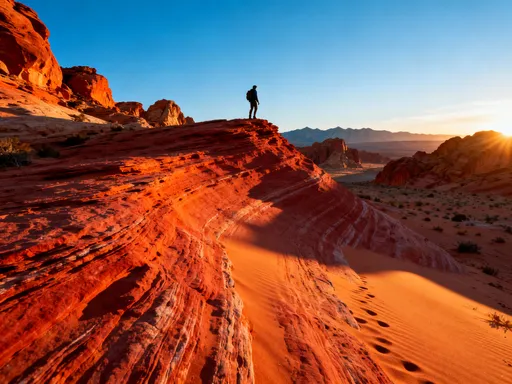
About 50 miles northeast of Las Vegas, Valley of Fire State Park lives up to its name. The park’s vibrant red and orange sandstone formations glow like embers under the sun, especially at sunrise and sunset when the entire landscape seems to ignite. Created over 150 million years ago from shifting desert dunes, the rock layers have been shaped by wind and water into surreal shapes—arches, balancing rocks, and wave-like patterns that feel more like another planet than Southern Nevada. This 40,000-acre park is one of the oldest state parks in Nevada and remains one of its most visually stunning.
Driving through Fire Canyon, a one-way loop road within the park, feels like entering a natural cathedral of stone. The walls rise on both sides, streaked with mineral deposits that create a painterly effect across the rock. One of the most accessible and meaningful stops is Mouse’s Tank, named after a 19th-century Paiute outlaw who used the cave as a hideout. The short hike to the site includes interpretive signs that tell the story of Indigenous resilience and survival in this harsh environment. Nearby, the petroglyphs at Atlatl Rock preserve ancient rock art carved by the Anasazi people over 3,000 years ago, offering a profound connection to the human history of the land.
For hikers, the Rainbow Canyon trail offers a moderate loop with varied terrain, including sandy washes and rocky climbs, leading to a secluded canyon with multicolored walls. The park’s trails range from easy walks to more challenging routes, making it suitable for a wide range of visitors. However, preparation is essential. Temperatures can exceed 100°F even in spring and fall, so early morning visits are strongly recommended. There is no potable water in the park, so bringing at least one gallon per person per day is a must. Restrooms and picnic areas are available at the main visitor center and key trailheads, but services are limited.
The unpaved roads in some parts of the park require high-clearance vehicles, especially after rain, so checking road conditions before arrival is wise. Despite increasing popularity, Valley of Fire retains a sense of solitude, particularly on weekdays or outside peak seasons. Camping is available by reservation, offering a chance to experience the park after the day-trippers have left. Under a sky full of stars—unobstructed by city lights—the silence is profound. For those seeking both natural wonder and historical depth, Valley of Fire delivers an experience that is as educational as it is awe-inspiring.
Hoover Dam and Beyond: Hidden Views from the Colorado River
While Hoover Dam is one of the most visited landmarks near Las Vegas, most tourists experience it from the official tour or the pedestrian walkway without exploring the surrounding viewpoints that offer even more dramatic perspectives. The dam itself is an engineering marvel, standing 726 feet tall and creating Lake Mead, the largest reservoir in the United States. But beyond the structured tours, a network of overlooks and trails provides quieter, more expansive views of the Colorado River, the Black Canyon, and the vast desert landscape.
The Mike O’Callaghan–Pat Tillman Memorial Bridge, located just east of the dam, is one of the best vantage points in the region. At 890 feet above the river, it’s one of the highest concrete arch bridges in the Western Hemisphere. A walk across the bridge takes about 20 minutes and offers panoramic views of the dam, the river, and the surrounding cliffs. Unlike the dam’s walkway, the bridge allows for safe photo stops and unobstructed sightlines without crowds pressing in. It’s especially beautiful at sunrise, when the light illuminates the curves of the dam and the water below sparkles like glass.
For those seeking a more active experience, the River Mountains Trail offers a 32-mile multi-use path that connects Las Vegas to Henderson and extends toward the lake. The most scenic section runs from the Boulder Harbor area to the dam’s vicinity, passing through desert washes and offering views of both the water and distant peaks. Cyclists, hikers, and runners share the trail, which is well-maintained and marked. Along the way, small overlooks provide perfect spots to rest, hydrate, and take in the vastness of the landscape.
Lake Mead National Recreation Area surrounds the dam and offers additional opportunities for exploration. Kayaking or taking a small boat tour allows visitors to see the canyon walls from the water, where the scale of the cliffs becomes even more apparent. Shoreline trails, such as the Salt Creek Trail, lead to quiet coves and abandoned marinas, telling the story of changing water levels over time. These lesser-known areas provide a sense of discovery and reflection, far removed from the typical tourist itinerary. By spending extra time in this region, visitors gain a deeper appreciation for the balance between human achievement and natural grandeur.
Mount Charleston: An Alpine Escape in the Desert
Rising over 11,000 feet above sea level, Mount Charleston offers a dramatic contrast to the desert floor. Just an hour’s drive from the Strip, this mountain retreat is part of the Spring Mountains and features pine forests, cool breezes, and a completely different ecosystem from the city below. In the summer, when Las Vegas swelters above 100°F, temperatures at the peak can be 30 degrees cooler, making it a natural refuge for hikers, picnickers, and families looking to escape the heat.
Kyle Canyon is the heart of the Mount Charleston experience, home to the popular picnic grounds, the Charleston Peak trailhead, and the Spring Mountains Visitor Gateway. The area is lush with ponderosa pines, white firs, and aspens that turn golden in the fall. In winter, light snowfall transforms the landscape into a rare desert snowscape—children build snowmen, and adults enjoy sledding or snowshoeing without needing to travel to distant ski resorts. While the area does not have a formal ski lift, the natural snow play zones are a delight for locals and visitors alike.
The trails around Mount Charleston range from easy nature walks to challenging climbs. The Trail to Mt. Charleston (also known as the South Loop) is a moderate 2.5-mile hike that rewards hikers with sweeping views of the valley and dense forest scenery. For the more adventurous, the hike to Charleston Peak—the highest point in Clark County—offers a strenuous but rewarding journey through alpine terrain. Along the way, hikers may spot mule deer, lizards, and a variety of bird species adapted to the higher elevation.
Weather changes quickly at this altitude, so visitors should bring layers and check conditions before heading up. The road to the peak, Nevada State Route 156, is narrow and winding, requiring cautious driving, especially in wet or icy conditions. Despite its popularity, the area retains a peaceful, small-town feel, enhanced by the lack of cell service in many spots. The nearby village of Kyle Canyon has a few cafes and gift shops, but the focus remains on nature and relaxation. For anyone craving a break from the artificial energy of the city, Mount Charleston offers a restorative return to the rhythms of the natural world.
Lesser-Known Trails and Local Favorites
Beyond the well-marketed parks, Las Vegas has a collection of quieter, lesser-visited natural areas that locals cherish. One such place is the Lone Mountain Nature Preserve, located in North Las Vegas. This 850-acre preserve protects a rugged desert landscape with trails that wind around volcanic ridges and offer sweeping views of the city and surrounding mountains. Because it’s not heavily advertised, it sees far fewer visitors than Red Rock or Valley of Fire, making it ideal for those seeking solitude.
Another hidden gem is the Desert National Wildlife Refuge, the largest wildlife refuge in the contiguous United States. Spanning over 1.6 million acres, it’s home to desert bighorn sheep, coyotes, and a variety of reptiles and birds. The Corn Creek trailhead provides the most accessible entry point, with a visitor center, water, and restrooms. From there, short trails lead into the desert, where the silence is broken only by the wind and occasional animal calls. The refuge is also a designated Dark Sky area, making it one of the best places near Las Vegas for stargazing.
These sites may lack the dramatic colors of Valley of Fire or the fame of Hoover Dam, but they offer something equally valuable: authenticity. There are no gift shops, no guided tours, and no crowds. What you find instead is the raw beauty of the Mojave Desert—creosote bushes after a rare rain, lizards darting across warm rocks, and night skies so clear that the Milky Way appears in vivid detail. These places remind us that nature does not need to be loud or flashy to be meaningful.
With access to such spaces comes responsibility. The Leave No Trace principles—pack out all trash, stay on designated trails, avoid disturbing wildlife, and respect cultural sites—are essential for preserving these fragile environments. Many of these areas are protected not just for their beauty, but for their ecological importance. By visiting mindfully, travelers help ensure that these quiet corners of the desert remain pristine for future generations. In a world that often values speed and spectacle, choosing stillness and respect becomes its own form of adventure.
Planning Your Scenic Adventure: Practical Tips for Visitors
Exploring the natural wonders around Las Vegas requires thoughtful preparation, but the rewards far outweigh the effort. A rental car is essential, as public transportation to these remote areas is extremely limited. Choose a vehicle with good fuel efficiency and, if planning to visit unpaved roads like those in Valley of Fire or remote parts of the wildlife refuge, consider a high-clearance model. GPS navigation is highly recommended, as cell service can be unreliable or nonexistent in many areas. Download offline maps or use apps like AllTrails or Gaia GPS to stay on course.
Packing the right supplies is crucial. Every visitor should carry at least one gallon of water per person per day, regardless of the season. Sun protection—including a wide-brimmed hat, sunglasses, and sunscreen—is non-negotiable, even on cloudy days. Lightweight, breathable clothing and sturdy hiking shoes will make any trail more comfortable. Snacks rich in electrolytes and energy, such as nuts, dried fruit, and granola bars, help maintain stamina during long hikes.
Check the weather forecast before departure. Summer heat can be dangerous, and sudden thunderstorms in the desert can cause flash floods, especially in narrow canyons. Avoid hiking during midday in hot months and always let someone know your plans. National and state park websites provide up-to-date information on trail conditions, closures, and fire restrictions.
Respect all posted signs and regulations. Some areas may be closed for wildlife protection or cultural preservation. Fees support conservation efforts and maintenance, so paying them is part of being a responsible visitor. Finally, bring a camera—but remember that the best souvenirs are not photos, but memories. The peace of a sunrise over red rocks, the cool shade of a desert canyon, the silence of a mountain forest—these are the moments that stay with you long after the trip ends.
Las Vegas isn’t just a destination for thrill-seekers and night owls—it’s a gateway to some of the Southwest’s most dramatic landscapes. By stepping off the Strip, travelers can experience peace, awe, and connection with nature in ways they never expected. These secret scenic spots aren’t just beautiful; they’re transformative. The real magic of Las Vegas lies not in what’s lit up at night—but in what the sunlight reveals.