You Won’t Believe These Mykonos Spots Exist – Mind-Blowing Terrain Awaits
Mykonos isn’t just beaches and nightlife—its wild, otherworldly terrain is a photographer’s dream. From wind-sculpted hills to ancient stone paths snaking through hidden valleys, the island’s natural drama creates perfect backdrops. I was stunned by how light and land collide here. If you’re chasing unique shots beyond the postcard crowds, keep reading—this is where Mykonos reveals its raw soul.
The Magic of Mykonos Beyond the Postcard
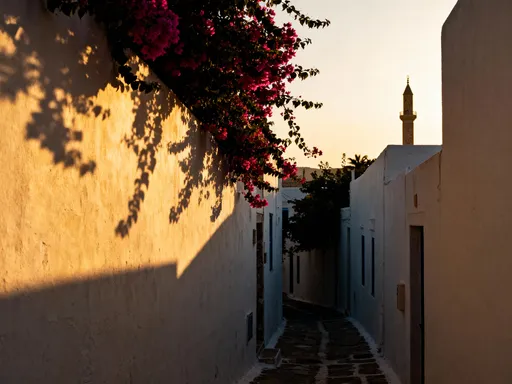
When most travelers picture Mykonos, they envision whitewashed buildings with blue domes, bustling harbors, and sun-drenched beaches lined with loungers. While these iconic scenes are undeniably beautiful, they only tell part of the island’s story. Beneath the polished surface lies a rugged, untamed landscape shaped by centuries of Aegean winds, salt spray, and relentless sun. This lesser-known side of Mykonos—rocky outcrops, arid hills, and jagged coastlines—offers a striking contrast to its glamorous reputation, transforming the island into a living canvas for creative exploration.
The island’s geological composition plays a crucial role in its visual drama. Composed largely of metamorphic and igneous rock formations, Mykonos has been sculpted over millennia into dramatic ridges, natural arches, and weathered stone fields. These features are not merely scenic; they carry the weight of time, each crevice and curve shaped by elemental forces. For photographers, this means endless opportunities for texture, depth, and contrast. The interplay of light across uneven surfaces creates dynamic shadows and highlights, especially during golden hour, when the low sun casts long, dramatic lines across the terrain.
What makes Mykonos particularly compelling is how its natural environment coexists with human presence. Ancient footpaths, some believed to date back to prehistoric times, weave through the hills, connecting remote chapels and forgotten farmsteads. These trails, worn smooth by generations of footsteps, offer more than just access—they tell stories of resilience and quiet endurance. For the observant traveler, walking these paths becomes an act of discovery, revealing how people have adapted to this harsh yet beautiful land. This duality—between wild nature and enduring tradition—elevates Mykonos from a typical Mediterranean destination to a place of deeper resonance.
By stepping beyond the curated charm of the main towns and beaches, visitors encounter a version of Mykonos that feels authentic and unfiltered. The absence of crowds in these remote areas allows for a more intimate experience, where the rhythm of the land sets the pace. Whether capturing the way morning mist clings to a valley or how storm clouds gather over distant hills, photographers find themselves drawn not just to what they see, but to how the landscape makes them feel. This emotional connection is what transforms a simple photograph into a lasting impression.
Sunset at Armenistis Lighthouse: Where Sky Meets Stone
Nestled on a rocky peninsula northwest of Mykonos Town, Armenistis Lighthouse offers one of the island’s most underrated sunset vantage points. Unlike the crowded rooftops of Chora, where tourists jostle for space, this quiet outpost provides solitude and uninterrupted views across the Aegean Sea. The surrounding terrain—jagged volcanic rock formations rising from the sea—creates a powerful silhouette against the evening sky, framing the sun as it dips below the horizon in a blaze of orange and pink.
The lighthouse itself, a modest white tower with a red roof, stands as a sentinel amid the wild landscape. Built in the early 20th century, it continues to guide ships navigating the narrow strait between Mykonos and the smaller island of Tinos. But for photographers, its true value lies in the way it anchors the composition—a solitary human structure set against an ancient, untamed world. The path leading to the lighthouse is uneven, composed of loose stones and natural rock steps, requiring careful footing but rewarding visitors with constantly shifting perspectives.
To capture the best light, arrive at least 45 minutes before sunset. This allows time to explore different angles and set up equipment without rushing. A wide-angle lens works well for capturing the vastness of the sky and sea, while a telephoto can isolate the sun’s reflection on the water or the texture of the rock formations in the foreground. As the light shifts, the dark stone absorbs and reflects color, creating rich tonal contrasts that enhance the mood of the scene. A tripod is essential, especially if shooting long exposures during twilight.
One of the most striking aspects of this location is the silence. With no nearby restaurants or shops, the only sounds are the wind and the distant crash of waves against the cliffs. This stillness invites contemplation and sharpens focus on the visual details—the way light catches the edge of a boulder, or how shadows deepen in the crevices as dusk falls. For families and solo travelers alike, Armenistis offers a peaceful alternative to the island’s more commercialized sunset spots, making it ideal for those seeking both beauty and tranquility.
The Hidden Valleys of Agios Stefanos: Nature’s Secret Pathways
Just a short drive from the northern coast, the area around Agios Stefanos hides a network of secluded valley trails that feel worlds away from the island’s tourist hubs. These natural corridors, formed by seasonal runoff and centuries of erosion, are lined with low stone walls, wild thyme, and resilient grasses that cling to the dry soil. The paths themselves are narrow and winding, creating tunnel-like passages that draw the eye forward, inviting exploration and offering intimate compositions for photographers.
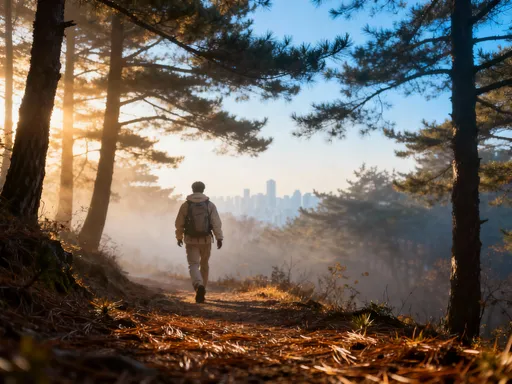
Walking through these valleys is like stepping into a hidden layer of Mykonos—one shaped by time, water, and isolation. The terrain here is softer than the coastal cliffs but no less dramatic. Overhead, the sky forms a narrow strip between rising slopes, creating a natural frame for upward-looking shots. In the early morning, when the sun is low and the air is cool, the light filters through at a slant, casting long shadows and highlighting the texture of the earth. This soft illumination enhances depth and dimension, making it ideal for capturing the layered quality of the landscape.
For optimal results, visit shortly after sunrise when the humidity is slightly higher, giving the air a gentle haze that adds atmosphere to images. A polarizing filter can help manage glare on rocks and enhance the green tones of the vegetation. Because the paths are uneven and sometimes obscured by overgrowth, wearing sturdy walking shoes with good grip is essential. A small backpack with water and a light snack ensures comfort during longer explorations, especially in the warmer months.
What makes these valleys especially compelling is their sense of discovery. Unlike marked hiking trails with signposts and crowds, these routes are known primarily to locals and seasoned visitors. There are no facilities, no vendors, and no signs of modern development—just the quiet rhythm of nature. This authenticity allows photographers to focus on composition without distractions, using natural elements like arching branches or stacked stones to create leading lines and frames within the frame. Each turn reveals a new perspective, turning the walk itself into a visual journey.
Ridges of Ano Mera: Elevated Vistas Without the Crowd
Inland from the coast, the village of Ano Mera sits at the heart of Mykonos’ quieter, agricultural side. Unlike the whitewashed maze of Mykonos Town, Ano Mera feels grounded and lived-in, with red-tiled roofs, small family-run tavernas, and a centuries-old monastery. But beyond the village, the landscape opens into rolling hills and open fields that offer some of the island’s most expansive views. From these elevated ridges, photographers can capture sweeping panoramas that showcase the island’s diverse terrain—patches of green amid sun-bleached earth, stone farmhouses dotting the slopes, and distant windmills standing like sentinels.
The contrast between cultivated land and natural wilderness is especially pronounced here. Farmers still tend small plots of land, growing tomatoes, capers, and herbs that thrive in the dry climate. These cultivated patches create a patchwork effect, visible from above as irregular shapes of darker green against the pale soil. This visual rhythm lends itself well to aerial-style compositions, even when shot from ground level. A wide-angle lens helps emphasize the scale of the landscape, while a mid-range zoom can isolate specific details, such as a lone donkey resting under a tree or a weathered stone wall winding across a hillside.
Reaching these viewpoints requires a short drive along narrow country roads. Parking is available near the Monastery of Panagia Tourliani, from which several informal paths lead outward into the hills. Visitors should exercise respect for private property, staying on public footpaths and avoiding trespassing on farmland. The area is home to free-roaming animals and working families, so quiet and courtesy go a long way in preserving the peaceful atmosphere.
Because the ridges are exposed, midday sun can be intense, making early morning or late afternoon the best times for photography. During these hours, the light is softer and more directional, enhancing texture and form. The breeze is often steady, adding movement to grasses and trees—a subtle but effective way to introduce dynamism into still images. For those traveling with children or older relatives, the area offers gentle walking opportunities with frequent resting spots, making it a family-friendly alternative to more strenuous hikes.
Coastal Cliffs Near Cape Tourlos: Drama in Every Direction
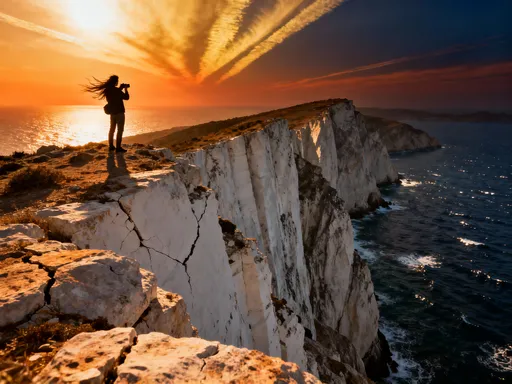
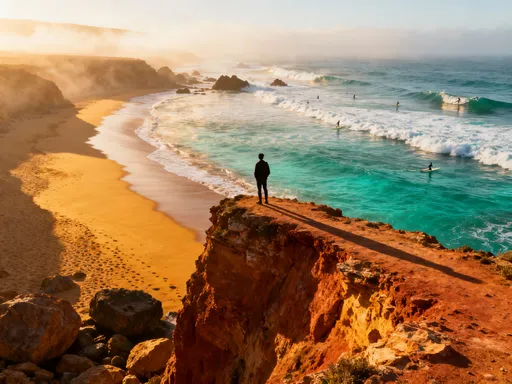
Along the northeastern edge of Mykonos, near Tourlos Port, the coastline transforms into a series of dramatic cliffs shaped by centuries of wave action. These formations—carved from hard volcanic rock—are constantly being reshaped by the sea, resulting in uneven surfaces, natural arches, and deep tide pools that fill and drain with the tides. For photographers, this terrain offers a wealth of compositional possibilities, from macro shots of textured stone to wide-angle captures of the sea crashing against the shore.
The dynamic nature of this environment means no two visits look exactly alike. After a storm, the rocks glisten with moisture, enhancing their color and reflectivity. At low tide, hidden pools reveal layers of sediment and small marine life, adding intricate details to close-up shots. The constant movement of water also creates opportunities for long-exposure photography, turning waves into silky veils that contrast with the solidity of the cliffs. A neutral density filter is highly recommended for achieving these effects, especially in bright daylight.
Access to the cliffs is informal, with no marked trails or safety railings. Visitors must navigate carefully over loose stones and slippery surfaces, particularly near the water’s edge. Sturdy footwear with ankle support is essential, as is awareness of the tide schedule. Strong winds are common in this exposed location, so securing camera gear and clothing is important. Despite these challenges, the rewards are significant—few places on the island offer such raw, unfiltered drama.
What sets this location apart is its sense of isolation. Unlike the southern beaches, which draw large numbers of tourists, Cape Tourlos remains relatively undiscovered. On most days, only a handful of visitors can be seen, allowing for peaceful, uninterrupted shooting. The sound of waves echoing through rock formations adds an auditory dimension to the experience, deepening the connection between observer and environment. For those seeking authenticity over convenience, this stretch of coast delivers in full measure.
The Forgotten Quarry Near Korfos: Raw, Textured Landscapes
Just off the road between Ano Mera and the northern coast, near the small settlement of Korfos, lies a disused quarry that few tourists ever see. Once a source of building stone for local homes, the site has been abandoned for decades, leaving behind stark, angular cuts in the earth. The exposed rock faces reveal layers of compressed mineral deposits, their striations telling a silent story of geological time. For photographers, this location offers a rare chance to capture bold, minimalist compositions defined by line, shadow, and texture.
The quarry’s walls rise several meters high, their surfaces marked by tooling scars and natural erosion. Sunlight strikes these planes at sharp angles, creating strong contrasts between light and dark. During mid-morning and late afternoon, the low sun emphasizes the depth of grooves and fissures, turning the stone into a three-dimensional canvas. A telephoto lens can isolate these details, transforming small sections of rock into abstract patterns that resemble brushstrokes or engravings.
Reaching the site requires a short drive on a dirt road that branches off the main route. While passable by most rental cars in dry conditions, the path can become dusty and rutted after rain. There is no formal parking, so visitors should pull off safely without blocking access. As with other remote locations, there are no facilities, so bringing water and sun protection is advisable. Because the area is not maintained, caution is necessary around unstable rock edges and loose debris.
Despite its industrial past, the quarry now feels like a natural monument—a place where human intervention has faded, allowing nature to reclaim the space. Wildflowers grow in cracks, and lizards dart across sun-warmed surfaces, adding subtle signs of life to an otherwise austere scene. For photographers interested in themes of time, decay, and renewal, this site offers profound visual metaphors. It stands as a reminder that even abandoned places can become sources of beauty when viewed through a thoughtful lens.
Why Terrain Photography Changes How You See Mykonos
Engaging with Mykonos through the lens of terrain photography does more than produce striking images—it transforms the way travelers experience the island. Instead of moving from one famous landmark to the next, the photographer learns to slow down, observe closely, and appreciate the subtleties of form, light, and texture. This shift from passive sightseeing to active seeing fosters a deeper connection to place, turning a vacation into a journey of discovery.
Each rock formation, valley path, and coastal cliff carries a history written in stone and shaped by wind and water. By focusing on these elements, visitors begin to understand Mykonos not just as a destination, but as a living landscape with its own rhythm and resilience. This awareness enhances appreciation for the island’s natural beauty and cultural endurance, revealing layers of meaning that go beyond surface appearances.
Moreover, terrain photography encourages mindfulness. The act of composing a shot requires patience, presence, and intention—qualities that benefit not only the final image but also the photographer’s state of mind. In a world that often feels rushed and fragmented, these moments of focused attention offer a rare sense of calm and clarity. For women in their 30s to 50s, many of whom balance family, work, and personal aspirations, such experiences can be deeply restorative.
Ultimately, photographing Mykonos’ terrain is about more than capturing beauty—it’s about bearing witness to time, change, and continuity. Each image becomes a personal record of a moment when light met land in a unique way, a reminder that even in well-traveled places, wonder awaits those willing to look beyond the obvious.
Mykonos’ true beauty lies not just in its charm, but in its raw, sculpted earth. By seeking out its unique terrain, you don’t just take photos—you tell stories of time, wind, and resilience. Grab your camera, step off the pavement, and let the land surprise you.