Why Luxury Spending Can Be a Smarter Investment Than You Think
What if the key to building real wealth isn’t just saving—but spending smarter? I used to think luxury was just about status, until I started seeing high-end purchases as long-term value plays. From timeless watches to premium real estate, I’ve learned that not all spending drains your wallet. Some of it builds equity, appreciation, and even passive income. Let me show you how shifting your mindset on luxury—from cost to asset—can transform your investment philosophy in ways I wish I’d understood sooner.
The Mindset Shift: From Consumption to Investment
For most people, the word luxury triggers thoughts of indulgence, excess, or fleeting pleasure. It’s often equated with spending beyond necessity—buying designer clothes, staying in five-star hotels, or driving high-end vehicles. Yet, beneath this surface-level perception lies a more strategic possibility: the idea that certain luxury purchases are not expenses at all, but investments in long-term value. This shift—from viewing luxury as consumption to recognizing it as capital allocation—is fundamental to redefining how wealth is built and preserved.
The difference lies in intentionality. When someone buys a $200 handbag from a fast-fashion brand, they’re making a transaction with immediate depreciation. Within months, the bag may show signs of wear, go out of style, or simply lose its appeal. But when another person invests $4,000 in a well-crafted leather handbag from a heritage brand known for durability and timeless design, the story changes. That bag may retain 70% or more of its value over five years, especially if maintained properly and stored correctly. It becomes not just a fashion accessory, but a tangible asset with resale potential.
This mindset shift requires a reevaluation of how we define value. Most consumer goods are designed for obsolescence—planned to wear out, go out of style, or be replaced by newer models. Luxury items, particularly those from brands with long-standing reputations, are often engineered for longevity. Their materials, craftsmanship, and brand equity contribute to sustained demand. A Rolex watch, for example, is not merely a timepiece; it’s a symbol of precision, heritage, and exclusivity. These qualities translate into market resilience, even during economic downturns.
Moreover, emotional spending—buying on impulse to satisfy a momentary desire—differs sharply from strategic luxury acquisition. The former leads to regret and financial leakage; the latter involves research, patience, and alignment with long-term goals. A woman who buys a fur coat during a winter sale because it’s “a great deal” may find it outdated in two seasons. In contrast, one who carefully selects a classic wool coat from a renowned outerwear maker, knowing it will last a decade and remain stylish, is making a decision rooted in value preservation. The emotional reward is still present, but it’s layered over a foundation of financial prudence.
This reframing also challenges the common belief that frugality equals financial wisdom. While saving is essential, so is deploying capital wisely. Holding all wealth in cash or low-yield accounts may protect against loss, but it also exposes investors to inflation risk. Allocating a portion of funds toward appreciating assets—even those that double as lifestyle enhancements—can offer both utility and return. The key is discernment: asking whether a purchase will lose value quickly or maintain its worth over time. That simple question can separate impulsive spending from strategic investment.
What Makes a Luxury Purchase an Asset?
Not every luxury item qualifies as an investment. In fact, the majority do not. The critical distinction lies in a product’s ability to retain or increase in value over time. This depends on several interrelated factors: scarcity, craftsmanship, brand reputation, provenance, and market demand. When these elements align, a high-end purchase can transcend its function and become a store of value—much like gold, real estate, or fine art.
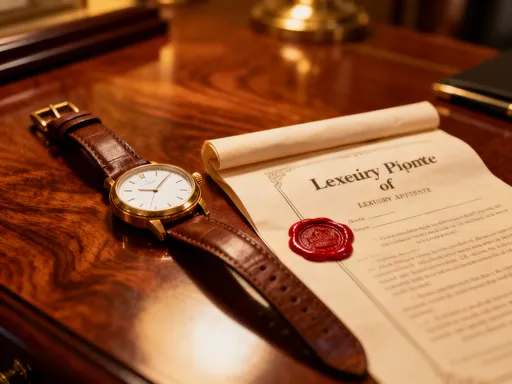
Take the example of mechanical watches from Swiss manufacturers such as Patek Philippe, Audemars Piguet, or Vacheron Constantin. These timepieces are not mass-produced; many are assembled by hand with components that take weeks or months to craft. Limited production runs and strict quality controls ensure exclusivity. More importantly, certain models become highly sought after by collectors, leading to auction prices that far exceed original retail. A Patek Philippe Nautilus, for instance, has seen secondary market values rise significantly in recent years, with some models selling for double or triple their initial cost. This appreciation is not guaranteed, but it reflects a pattern seen across elite horology: demand consistently outpaces supply.
Similarly, luxury handbags from brands like Hermès, particularly the Birkin and Kelly lines, have demonstrated remarkable value retention. Due to controlled availability and long waiting lists, these bags rarely flood the market. Authenticity is rigorously verified, and condition plays a major role in resale value. A well-maintained Hermès bag purchased for $10,000 could be worth $15,000 or more after several years, especially if it’s a rare color or material. Unlike fast-fashion accessories, which lose value the moment they leave the store, these items enter a secondary market where scarcity drives pricing.
Other categories with strong investment potential include vintage automobiles, fine jewelry, and rare wines. A classic car like a 1960s Ferrari or a 1970s Porsche 911, when properly restored and maintained, can appreciate over decades. The same applies to diamonds and gemstones from reputable sources—particularly those with exceptional cut, clarity, and certification. Even high-end pens, such as those from Montblanc’s heritage collections, have developed niche markets among collectors who value both artistry and history.
What unites these items is not just their price tag, but their resistance to depreciation. They are not subject to the same market forces that erode the value of everyday goods. Instead, they benefit from enduring appeal, cultural significance, and limited availability. For investors, this means that allocating capital to such items is not frivolous—it’s a form of diversification. While stocks and bonds fluctuate with market sentiment, tangible luxury assets often move independently, offering a hedge against volatility. Of course, this does not mean buying luxury blindly; due diligence is essential. But when done thoughtfully, these purchases can serve dual purposes: enhancing daily life while contributing to long-term wealth.
Real Estate: When Premium Locations Become Wealth Engines
Among the most powerful forms of luxury investment is high-end real estate. Unlike consumer goods, property ownership offers both functional utility and financial upside. When located in desirable, stable markets, luxury homes can generate substantial capital appreciation and consistent rental income. While not all real estate performs equally, properties in globally recognized cities—such as central London, downtown Tokyo, Manhattan, or Paris—have historically demonstrated resilience and long-term growth.
The reasons behind this performance are multifaceted. First, land in prime urban areas is finite. Zoning laws, historical preservation rules, and infrastructure constraints limit new development, creating natural scarcity. As populations grow and global wealth increases, demand for space in these locations remains strong. This dynamic supports price stability and upward pressure on values, even during broader economic slowdowns.
Second, premium real estate often benefits from superior construction quality and architectural significance. Many high-end buildings are designed to last generations, using materials and craftsmanship that outperform standard housing. This durability contributes to lower maintenance costs over time and enhances tenant appeal. For investors, this means longer occupancy periods, reduced turnover, and higher tenant satisfaction—all of which support rental yield and property value.
Third, demographic trends favor luxury urban living. Affluent professionals, international buyers, and remote workers increasingly seek residences in walkable, amenity-rich neighborhoods. Access to top schools, healthcare, cultural institutions, and transportation hubs adds layers of desirability. A luxury apartment with views of Central Park or the Thames River isn’t just a place to live—it’s a lifestyle proposition with enduring market appeal.
Rental income further enhances the investment case. While luxury properties require higher upfront costs, they often command premium rents from tenants who value privacy, security, and comfort. In global cities, short-term rentals through regulated platforms can also provide flexible income streams, though local regulations must always be respected. Over time, consistent cash flow combined with property appreciation can deliver strong total returns—without the volatility associated with financial markets.
It’s important to note that location is paramount. A high-end home in a declining neighborhood or economically unstable region may not perform as expected. Therefore, thorough research into local market conditions, tax policies, and legal frameworks is essential. But for those who invest wisely, premium real estate offers a rare combination: a place to live or lease, a hedge against inflation, and a legacy asset that can be passed down through generations.
The Risk Factor: Not All Luxury Holds Value
Despite the potential benefits, it’s crucial to recognize that most luxury items do not appreciate—and many lose value quickly. The perception that “expensive equals valuable” is a common misconception that can lead to financial missteps. A $3,000 designer dress may look stunning on the runway, but unless it’s a rare vintage piece or part of a collector’s series, it will likely depreciate with wear and changing trends. The same applies to high-end electronics, fragrances, or limited-edition sneakers that lack long-term market demand.
One of the biggest risks in luxury investing is emotional decision-making. When buyers are influenced by hype, celebrity endorsements, or social pressure, they may overpay for items that lack intrinsic value. For example, a handbag released as part of a viral marketing campaign might sell out instantly, but if it doesn’t align with enduring style or craftsmanship standards, its resale value could plummet within a year. Similarly, a luxury watch from a lesser-known brand with no collector following may never develop a secondary market, leaving the owner with a depreciating asset.
Another risk is neglecting maintenance and authenticity. A vintage car stored in poor conditions or a diamond ring without proper certification can lose significant value, regardless of original cost. Provenance—documented history of ownership and care—is critical in the luxury market. Without it, even high-end items struggle to command premium prices. Buyers must also be wary of counterfeits, which flood online marketplaces and can be difficult to detect without expert verification.
Liquidity is another concern. While stocks can be sold in seconds, luxury assets often require time, effort, and fees to convert into cash. Auction houses charge seller commissions, private sales take negotiation, and specialized dealers may offer below-market prices. This means that luxury investments should not be viewed as emergency funds or short-term vehicles. They are best suited for long-term holding, with the understanding that exit strategies require planning.
To mitigate these risks, discipline is essential. Buyers should treat luxury acquisitions like any other investment: with research, patience, and clear criteria. Asking questions such as “Has this brand maintained value over time?” or “Is there an active secondary market?” can prevent costly mistakes. Consulting experts, reading market reports, and tracking auction results are practical steps toward informed decisions. Luxury spending can be smart—but only when guided by knowledge, not impulse.
Diversification Through Tangible Assets
In traditional portfolio theory, diversification is key to managing risk. Most financial advisors recommend spreading investments across asset classes—stocks, bonds, real estate, and cash—to reduce exposure to any single market. However, an often-overlooked category is tangible luxury assets. These physical items—watches, art, collectibles, jewelry—behave differently from financial instruments, offering unique advantages when integrated thoughtfully into a broader strategy.
One major benefit is their low correlation with stock and bond markets. During periods of market volatility, such as economic recessions or geopolitical uncertainty, luxury assets often hold their value or even appreciate. Investors seeking stability may find comfort in owning something they can see, touch, and enjoy—especially when paper assets fluctuate wildly. This tangibility provides psychological reassurance, which can be just as important as financial return.
Additionally, luxury assets offer privacy. Unlike brokerage accounts or public stock holdings, ownership of a fine painting or a rare watch is not automatically visible to others. This discretion appeals to individuals who value financial privacy or wish to protect wealth from public scrutiny. In some cases, these items can also serve as intergenerational gifts, passed down as heirlooms with both emotional and monetary significance.
Another advantage is aesthetic and experiential enjoyment. Unlike a mutual fund or index ETF, a luxury asset can be used and appreciated daily. A beautifully crafted fountain pen, a hand-stitched leather briefcase, or a vintage wine collection adds richness to life beyond balance sheets. This dual benefit—utility and investment—makes luxury spending uniquely fulfilling when approached with intention.
However, these assets should complement, not replace, traditional investments. They are not income-generating in the same way as dividend stocks or rental properties, and their returns are less predictable. The goal is not to shift an entire portfolio into collectibles, but to allocate a modest portion—typically 5% to 10%—to tangible assets that offer diversification and personal meaning. When balanced with liquid, income-producing holdings, luxury investments can enhance both financial resilience and quality of life.
Practical Steps: How to Buy Smart in the High-End Market
Entering the luxury market wisely requires more than disposable income—it demands strategy, patience, and education. The first step is research. Before making any high-end purchase, buyers should study market trends, brand histories, and resale performance. Online platforms, auction house archives, and collector forums provide valuable insights into which items hold value and which do not. Reading annual reports from firms like Knight Frank or Sotheby’s can reveal broader patterns in luxury markets, from watch appreciation to art price movements.
Next, work only with reputable dealers, authorized retailers, or certified appraisers. Authenticity is non-negotiable in the luxury world, and even slight doubts can erode value. For watches, ensure the piece comes with original papers, warranty cards, and service history. For art and collectibles, provenance documentation is essential. Third-party verification services, such as those offered by Watchfinder or Christie’s, can provide peace of mind and strengthen resale potential.
Start small. Instead of investing tens of thousands upfront, begin with lower-cost entries in a category of interest. A pre-owned Rolex Oyster Perpetual, for example, offers exposure to the luxury watch market at a fraction of the cost of a Daytona. This allows buyers to learn the nuances of maintenance, storage, and resale without significant risk. Joining collector communities—both online and in person—can also provide mentorship and access to trusted networks.
When buying at auction, set a maximum bid and stick to it. Emotion can drive bidding wars, leading to overpayment. It’s also wise to factor in buyer’s premiums and taxes, which can add 15% to 25% to the final cost. Patience pays: waiting for the right item in the right condition often yields better long-term results than rushing into a purchase.
Finally, track your holdings. Maintain a detailed inventory of luxury assets, including purchase date, price, condition reports, and service records. This not only supports future resale but also aids in insurance and estate planning. Over time, this disciplined approach transforms luxury spending from random consumption into a structured, value-conscious practice.
Building a Lifestyle That Invests in Itself
The ultimate goal of smart luxury spending is not extravagance, but alignment—between how we live and how we build wealth. True financial wisdom isn’t about denying enjoyment, but about choosing it deliberately. When a woman buys a coat that lasts ten years instead of five, she saves money in the long run. When she invests in a watch that retains value, she owns an asset that could help fund future goals. When she purchases a home in a stable, desirable location, she secures both shelter and equity.
This philosophy redefines luxury not as excess, but as excellence. It shifts the focus from quantity to quality, from impulse to intention. Every purchase becomes an opportunity—to preserve capital, to enjoy beauty, to plan ahead. Over time, these choices compound, creating a lifestyle that doesn’t drain resources but sustains them.
More than that, it fosters a deeper relationship with money. Instead of seeing wealth as something to be hoarded or spent, it becomes a tool for thoughtful living. The things we own reflect our values, priorities, and vision for the future. By choosing items that serve both purpose and potential, we build a life that is not only richer in experience, but stronger in financial foundation.
So the next time you consider a high-end purchase, ask yourself: Is this just a cost? Or could it be an investment? With the right mindset and approach, luxury spending doesn’t have to cost your future—it can help fund it.